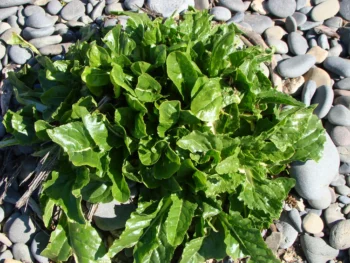
Growing Chard: A Colorful Addition to Your Garden
If you’re looking to add a splash of color to your vegetable garden while growing something deliciously edible, chard (Beta vulgaris cicla) might just be the perfect plant for you. This eye-catching leafy green brings together the best of both worlds – stunning ornamental appeal and culinary versatility.
What is Chard?
Chard, scientifically known as Beta vulgaris cicla, is a leafy vegetable that’s closely related to beets and sugar beets. You might also see it referred to by its botanical synonyms Beta cicla or Beta vulgaris var. cicla. What sets chard apart from its cousins is its focus on producing gorgeous, colorful stems and large, nutritious leaves rather than storing energy in a root.
Where Does Chard Come From?
Chard isn’t native to North America – it originally hails from the Mediterranean region and parts of Europe, where it has been cultivated for thousands of years. This means that while it’s a wonderful addition to North American gardens, it won’t provide the same wildlife benefits as native plants that our local ecosystems evolved with.
Why Grow Chard in Your Garden?
There are several compelling reasons to consider adding chard to your garden:
- Visual Appeal: Chard stems come in brilliant colors including red, yellow, white, and pink, creating a rainbow effect in your garden beds
- Dual Purpose: It serves as both an ornamental plant and a nutritious food source
- Easy to Grow: Chard is relatively low-maintenance and forgiving for beginning gardeners
- Long Harvest: You can continuously harvest outer leaves throughout the growing season
- Cool Weather Tolerance: It handles cooler temperatures better than many other leafy greens
Garden Design and Landscape Role
Chard works beautifully in several garden settings. In ornamental vegetable gardens, it provides vertical interest and acts as a colorful backdrop for shorter plants. The vibrant stems create natural focal points in mixed borders, while the large leaves add texture and substance to container arrangements. It’s particularly stunning when planted in groups, where the different colored stems create a natural rainbow effect.
Growing Conditions and Care
Chard is remarkably adaptable and can thrive in USDA hardiness zones 2-11, though it’s typically grown as an annual in most climates. Here’s what your chard plants need to flourish:
- Sunlight: Full sun to partial shade (at least 4-6 hours of direct sunlight)
- Soil: Well-draining, fertile soil with good organic matter
- Water: Consistent moisture but not waterlogged conditions
- Temperature: Prefers cool to moderate temperatures; can handle light frosts
Planting and Care Tips
Getting started with chard is straightforward:
- When to Plant: Sow seeds directly in the garden 2-3 weeks before your last expected frost date
- Spacing: Thin seedlings to about 6 inches apart once they’re established
- Harvesting: Begin harvesting outer leaves when they’re 6-8 inches long, leaving the center to continue producing
- Ongoing Care: Provide consistent watering and side-dress with compost mid-season for best results
Wildlife and Pollinator Benefits
While chard can attract some pollinators when it flowers in its second year, it doesn’t provide the same level of wildlife support as native plants. If supporting local ecosystems is a priority, consider incorporating native alternatives alongside your chard plantings. Native greens like lamb’s quarters (Chenopodium album) or native varieties of amaranth can provide similar visual interest while better supporting local wildlife.
The Bottom Line
Chard is a fantastic choice for gardeners who want to combine beauty with function in their landscape. While it won’t support native wildlife as effectively as indigenous plants, it brings its own special charm to the garden with those stunning colorful stems and reliable harvests. Consider dedicating a portion of your garden to this Mediterranean beauty while reserving other areas for native plants that support local ecosystems – it’s a win-win approach that gives you the best of both worlds!