Charity Plant: A European Perennial That’s Made Itself at Home
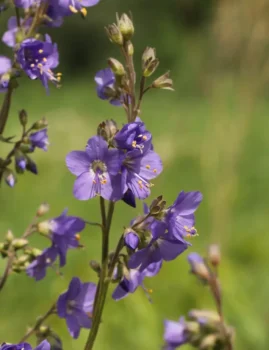
If you’ve ever stumbled across a patch of delicate blue flowers with feathery foliage in a damp woodland edge, you might have encountered charity (Polemonium caeruleum). This European native has quietly established itself across parts of North America, bringing its old-world charm to gardens and wild spaces alike.
What Exactly is Charity?
Charity, scientifically known as Polemonium caeruleum, is a perennial forb that belongs to the phlox family. Don’t let the fancy botanical term forb intimidate you – it simply means it’s an herbaceous plant without woody stems, much like your garden herbs and wildflowers. This hardy perennial has been playing the long game in North American landscapes, establishing itself as a naturalized resident rather than just a garden visitor.
Where You’ll Find Charity Growing
Originally from Europe and Asia, charity has made itself comfortable in several states and provinces across the northeastern United States and southeastern Canada. You can find established populations in Quebec, Maine, Michigan, Minnesota, New Hampshire, New Jersey, New York, Ohio, Pennsylvania, Vermont, and Wisconsin. It tends to favor areas with consistent moisture, often popping up in wetland edges and moist meadows.
- Species observed
- No observations
The Appeal of Charity in Your Garden
So why might you want to invite charity into your garden space? Here are the main draws:
- Lovely blooms: Clusters of bell-shaped flowers in shades of blue to purple appear from late spring through early summer
- Attractive foliage: The compound, pinnate leaves create a delicate, feathery texture that adds interest even when not in bloom
- Pollinator magnet: Bees, butterflies, and other beneficial insects appreciate the nectar-rich flowers
- Low maintenance: Once established, it’s relatively care-free
- Cool climate friendly: Thrives in USDA zones 3-7, perfect for northern gardeners
Growing Charity Successfully
Charity is fairly accommodating when it comes to growing conditions, though it does have some preferences:
Light requirements: Partial shade to full sun, though it appreciates some afternoon shade in warmer climates
Soil needs: Moist, well-draining soil is ideal. Given its facultative wetland status, it’s quite happy with consistently damp conditions but won’t tolerate standing water
Size expectations: Expect mature plants to reach 1-3 feet in height with a similar spread
Planting and Care Tips
- Plant in spring or fall for best establishment
- Keep soil consistently moist, especially during dry spells
- Deadhead spent flowers to encourage continued blooming
- Be aware that charity can self-seed readily – this can be a bonus or a concern depending on your garden goals
- Divide clumps every 3-4 years to maintain vigor
Garden Design Ideas
Charity works beautifully in several garden settings:
- Cottage gardens where its informal charm fits right in
- Woodland borders and naturalized areas
- Rain gardens and areas with seasonal moisture
- Perennial borders where it can mingle with other mid-height plants
A Word About Native Alternatives
While charity isn’t considered invasive, some gardeners prefer to stick with native species. If you’re looking for similar appeal with native credentials, consider these alternatives depending on your region:
- Wild bergamot (Monarda fistulosa) for similar pollinator appeal
- Wild ginger (Asarum canadense) for woodland settings
- Blue flag iris (Iris versicolor) for wet areas
- Native asters for late-season blue flowers
The Bottom Line
Charity offers gardeners an easy-care perennial with genuine ornamental value and pollinator benefits. While it’s not native to North America, it’s established itself as a well-behaved garden resident in suitable climates. Whether you choose to grow charity or opt for native alternatives, the key is creating a garden that supports local wildlife while bringing you joy. After all, that’s what gardening is all about – finding the right plants for your space, your climate, and your gardening goals.