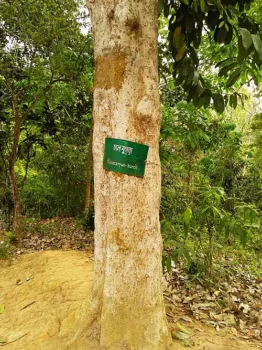
Chaulmoogra: The Historic Healing Tree That’s Not for Every Garden
Meet chaulmoogra (Hydnocarpus kurzii), a tree with a fascinating backstory that spans centuries of traditional medicine and modern pharmaceutical history. While this Southeast Asian native might sound like an exotic addition to your garden, there are some important things to consider before you start dreaming of your own chaulmoogra grove.
What Exactly Is Chaulmoogra?
Chaulmoogra is a medium-sized evergreen tree that’s been making headlines in medical circles for generations. Also known scientifically as Taraktogenos kurzii King (its former botanical name), this tree produces seeds that were once considered a miracle cure for certain skin conditions. But let’s focus on what it means for your garden!
This tree features simple, alternate leaves and produces small, yellowish flowers that eventually give way to large, woody fruits containing the famous oil-rich seeds. It’s definitely a conversation starter if you can manage to grow one successfully.
Where Does Chaulmoogra Come From?
Chaulmoogra calls the tropical regions of Southeast Asia home, particularly Myanmar (Burma), Thailand, and parts of India. This tree thrives in warm, humid climates where temperatures rarely dip below what most of us would consider pleasantly warm.
Should You Plant Chaulmoogra in Your Garden?
Here’s where we need to have a heart-to-heart chat. Unless you’re gardening in USDA zones 10-12 (think southern Florida, Hawaii, or southern California’s warmest spots), chaulmoogra simply isn’t going to work in your outdoor garden. This tropical beauty needs consistent warmth and humidity that most North American climates just can’t provide.
The Reality Check:
- Only suitable for tropical and subtropical climates
- Requires consistently warm temperatures year-round
- Needs high humidity levels
- Not cold-hardy whatsoever
For the Lucky Few in Warm Climates
If you’re one of the fortunate gardeners living in zones 10-12, chaulmoogra could be an interesting addition to your landscape. It works well as a specimen tree and adds an element of historical intrigue to botanical collections or medicinal plant gardens.
Growing Conditions:
- Prefers well-drained soil that retains some moisture
- Thrives in partial shade to full sun
- Needs protection from strong winds
- Benefits from regular watering during dry periods
Planting and Care Tips
For those in appropriate climates, here’s how to give your chaulmoogra the best start:
- Location: Choose a spot with good drainage but consistent moisture
- Soil: Rich, well-draining soil with organic matter works best
- Watering: Keep soil consistently moist but not waterlogged
- Fertilizing: A balanced, slow-release fertilizer in spring supports healthy growth
- Pruning: Minimal pruning needed; remove dead or damaged branches as necessary
Wildlife and Pollinator Benefits
The small flowers of chaulmoogra do attract various insects, making it somewhat beneficial for local pollinators in its native range. However, in North American gardens, its impact on local wildlife would be minimal compared to native alternatives.
Better Alternatives for Most Gardeners
Since chaulmoogra isn’t suitable for most North American gardens, consider these native alternatives that offer similar benefits:
- For medicinal plant enthusiasts: Echinacea species (coneflowers)
- For specimen trees: Native magnolias or dogwoods
- For tropical-looking plants in temperate zones: Pawpaw (Asimina triloba) or native hibiscus
The Bottom Line
While chaulmoogra has an absolutely fascinating history and could be a unique addition to the right garden, it’s simply not practical for most North American gardeners. If you’re in zones 10-12 and love collecting unusual plants with interesting backstories, it might be worth seeking out from a specialty nursery. For everyone else, there are plenty of native alternatives that will give you more bang for your gardening buck while supporting local ecosystems.
Remember, the best garden plants are usually the ones that actually want to grow where you live!