Cheatgrass: The Invasive Grass You Definitely Don’t Want in Your Garden
If you’ve ever wondered about that reddish, wispy grass taking over disturbed areas in your neighborhood, you’ve likely encountered cheatgrass (Bromus tectorum). While its delicate appearance might seem harmless, this annual grass is actually one of North America’s most problematic invasive species. Let’s dive into why this European import has earned such a notorious reputation and what you can do about it.
What Is Cheatgrass?
Cheatgrass, scientifically known as Bromus tectorum, is an annual grass that’s native to Europe, northern Africa, and southwestern Asia. You might also see it referred to by its various scientific synonyms, including Anisantha tectorum. This sneaky little plant has earned its common name because it cheats native plants out of resources, growing quickly in early spring and using up available water and nutrients before native species even get started.
Why Cheatgrass Is a Problem
Here’s the thing about cheatgrass – it’s really, really good at what it does, and what it does is take over. This invasive species has spread throughout North America, from Alaska all the way down to Hawaii, and can be found in virtually every U.S. state and Canadian province. It’s particularly problematic because:
- It germinates earlier than native plants, giving it a competitive advantage
- It forms dense mats that crowd out native species
- It increases wildfire risk by creating highly flammable dry matter
- It provides minimal wildlife benefits compared to native alternatives
In Connecticut, cheatgrass is classified as Potentially Invasive, Prohibited, which means it’s recognized as a serious threat to local ecosystems.
- Species observed
- No observations
How to Identify Cheatgrass
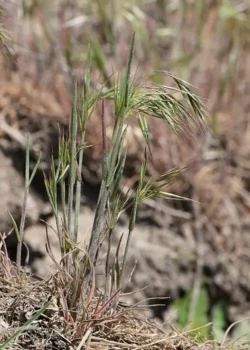
Spotting cheatgrass is easier once you know what to look for. This annual grass typically grows 6 to 24 inches tall and has a distinctive appearance:
- Fine, soft leaves that feel almost fuzzy
- Drooping seed heads that turn reddish-purple as they mature
- Seeds with long, twisted bristles (awns) that can irritate skin and pets
- Forms dense patches in disturbed areas like roadsides, vacant lots, and overgrazed pastures
The plant thrives in USDA hardiness zones 3-10 and is particularly fond of sunny, disturbed soils. It’s drought-tolerant and can establish quickly in areas where the soil has been disrupted.
Why You Shouldn’t Plant Cheatgrass
Simply put: don’t. Even if you could legally obtain cheatgrass (which you shouldn’t), there’s absolutely no reason to intentionally plant this invasive species. It offers no ornamental value, provides minimal benefits to wildlife, and will likely spread beyond your property to cause ecological damage elsewhere.
Instead of cheatgrass, consider these native alternatives that provide similar fine-textured appeal without the environmental headaches:
- Buffalo grass (Poablephora dactyloides) for low-maintenance lawns
- Little bluestem (Schizachyrium scoparium) for naturalized areas
- Side-oats grama (Bouteloua curtipendula) for drought-tolerant landscapes
- Prairie dropseed (Sporobolus heterolepis) for fine-textured ornamental grass
What to Do If You Have Cheatgrass
If you’ve identified cheatgrass on your property, the best approach is removal and replacement with native species. Here are some strategies:
- Hand-pull small patches before they go to seed (wear gloves to protect from the sharp awns)
- Mow large areas before seed set to prevent spread
- Overseed disturbed areas with native grasses to provide competition
- Consider professional help for large infestations
The Bottom Line
Cheatgrass might look innocuous, but it’s a master of deception. This invasive annual has earned its place on prohibited species lists for good reason. Rather than battling this aggressive invader, focus your gardening energy on native alternatives that will support local wildlife and ecosystems. Your garden – and your local environment – will thank you for making the responsible choice.
Remember, the best defense against invasive species is prevention. Choose native plants, keep your soil healthy and undisturbed when possible, and stay vigilant for signs of unwanted invaders like cheatgrass. Happy (responsible) gardening!