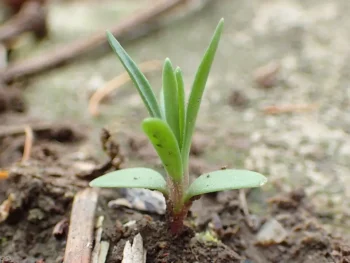
Cheddar Pink: A Charming European Ground Cover for North American Gardens
If you’re looking for a low-maintenance perennial that brings both fragrance and color to your garden, cheddar pink (Dianthus gratianopolitanus) might just be the delightful addition you’ve been seeking. This charming little plant has been winning hearts in gardens across North America, despite its European origins.
What Is Cheddar Pink?
Cheddar pink is a perennial forb that forms attractive, low-growing mats of blue-green foliage topped with sweetly fragrant flowers. Don’t let the name fool you – while called pink, the flowers can range from pale pink to deep rose, and occasionally even white. The blooms feature the characteristic fringed petals that give this plant its distinctive, almost lace-like appearance.
As a non-native species, cheddar pink has made itself quite at home in North America, particularly in Ontario, Canada, where it reproduces spontaneously in the wild. While it’s adapted well to our climate, it’s worth considering native alternatives alongside this European immigrant.
Where Does Cheddar Pink Come From?
Originally hailing from the Mediterranean region and famously from the limestone cliffs of Cheddar Gorge in England (hence the name), this hardy little plant has traveled far from its rocky homeland. In North America, you’ll find it naturalized primarily in Ontario, where it has established self-sustaining populations.
- Species observed
- No observations
Why Consider Cheddar Pink for Your Garden?
There are several compelling reasons why gardeners gravitate toward this petite powerhouse:
- Drought tolerance: Once established, cheddar pink thrives with minimal water
- Fragrant blooms: The sweet scent adds an extra sensory dimension to your garden
- Pollinator magnet: Butterflies, bees, and other beneficial insects love the nectar-rich flowers
- Low maintenance: This plant practically takes care of itself
- Long blooming season: Flowers appear from late spring through summer
- Attractive foliage: The blue-green leaves look good even when not in bloom
Perfect Garden Spots for Cheddar Pink
Cheddar pink shines in several garden settings:
- Rock gardens: Its natural affinity for rocky, well-draining conditions makes it perfect here
- Alpine gardens: Mimics its mountain habitat beautifully
- Cottage gardens: Adds that old-world charm with its fragrant blooms
- Border edging: Creates neat, colorful boundaries along pathways
- Xeriscaping: Excellent choice for water-wise gardening
Growing Conditions That Make Cheddar Pink Happy
Success with cheddar pink comes down to mimicking its Mediterranean origins:
- Sunlight: Full sun is essential – at least 6 hours daily
- Soil: Well-draining, alkaline soil is crucial; heavy, wet soil is a death sentence
- pH: Prefers neutral to slightly alkaline conditions (pH 6.5-7.5)
- Drainage: Cannot tolerate wet feet – ensure excellent drainage
- Climate: Hardy in USDA zones 3-9, handling both cold winters and hot summers
Planting and Care Tips
Getting cheddar pink established is refreshingly straightforward:
- Planting time: Spring or early fall for best establishment
- Spacing: Plant 12-15 inches apart to allow for spreading
- Watering: Water regularly the first year, then only during extended dry periods
- Fertilizing: Rarely needed; too much fertilizer can actually harm the plant
- Deadheading: Remove spent flowers to encourage continued blooming
- Division: Divide clumps every 3-4 years to maintain vigor
Size Expectations
Cheddar pink stays pleasantly compact, typically reaching only 4-6 inches in height while spreading 8-12 inches wide. This makes it perfect for front-of-border plantings or filling spaces between larger perennials.
Considering Native Alternatives
While cheddar pink is a lovely garden addition, you might also consider native alternatives that provide similar benefits while supporting local ecosystems. Wild bergamot (Monarda fistulosa) offers fragrant flowers and pollinator appeal, while various native sedums provide similar drought tolerance and ground-covering abilities.
The Bottom Line
Cheddar pink earns its place in North American gardens through sheer charm and reliability. Its combination of fragrant flowers, attractive foliage, and easy-care nature makes it a solid choice for gardeners seeking low-maintenance beauty. Just remember to provide the well-draining conditions it craves, and this delightful perennial will reward you with years of sweet-scented blooms and happy pollinators.
Whether you’re creating a rock garden masterpiece or simply want a reliable ground cover that won’t demand constant attention, cheddar pink might just be the perfect fit for your gardening goals.