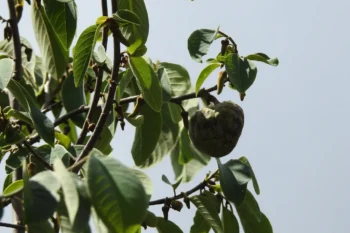
Cherimoya: The Delicious Custard Apple That’s Not Quite Native
If you’ve ever dreamed of growing your own tropical fruit but live outside the tropics, cherimoya (Annona cherimola) might just be the answer to your gardening prayers. This fascinating fruit tree, sometimes called the custard apple, produces some of the most uniquely delicious fruit you’ll ever taste – think vanilla ice cream mixed with banana and pineapple, all wrapped up in a heart-shaped package.
What Exactly Is Cherimoya?
Cherimoya is a perennial shrub that can grow into a small tree, typically reaching heights of 13-16 feet, though it can grow taller under ideal conditions. This multi-stemmed woody plant originates from the Andean valleys of Ecuador, Colombia, Peru, and Bolivia, where it has been cultivated for centuries.
Where Does Cherimoya Grow in the US?
Currently, cherimoya has established itself in several US territories and Pacific regions, including Guam, Palau, and Puerto Rico. As a non-native species, it has managed to reproduce spontaneously in these areas and persist without human intervention.
- Species observed
- No observations
Why Gardeners Fall in Love with Cherimoya
There are several compelling reasons why gardeners are drawn to this exotic fruit tree:
- Incredible fruit: The creamy, custard-like flesh is considered one of the finest-tasting fruits in the world
- Ornamental value: Large, velvety green leaves create beautiful foliage, while small, fragrant yellowish-green flowers add subtle charm
- Conversation starter: Few neighbors will have seen anything quite like cherimoya fruit
- Manageable size: Unlike some fruit trees, cherimoya stays relatively compact
The Growing Reality Check
Before you rush to plant cherimoya, there are some important considerations:
Climate requirements: Cherimoya thrives in USDA hardiness zones 9b-11, which means it needs consistently warm temperatures and protection from frost. If you live outside these zones, you’ll need to grow it in a large container that can be moved indoors.
Pollination quirks: Here’s where things get interesting – cherimoya flowers have a unique pollination timing that makes natural fruit production challenging. For the best fruit set, you’ll likely need to hand-pollinate the flowers, which involves transferring pollen with a small paintbrush during specific times of day.
How to Grow Cherimoya Successfully
If you decide to take on the cherimoya challenge, here’s what you need to know:
Location and soil: Choose a spot with well-draining soil and partial shade to full sun exposure. Cherimoya prefers consistent moisture but can’t tolerate waterlogged conditions.
Planting tips: Plant in spring after the last frost danger has passed. Dig a hole twice as wide as the root ball but no deeper, and backfill with native soil mixed with compost.
Ongoing care: Regular watering is essential, especially during dry periods. Apply organic mulch around the base to retain moisture and suppress weeds. Light pruning helps maintain shape and removes dead or crossing branches.
Wildlife and Pollinator Benefits
Cherimoya flowers attract beetles and flies, which are their natural pollinators. While not native, the blooms can provide nectar sources for local insects, though native plants would offer more comprehensive ecosystem support.
Consider Native Alternatives
While cherimoya isn’t considered invasive, gardeners interested in supporting local ecosystems might consider native fruit-bearing plants instead. Depending on your region, options might include native elderberry, serviceberry, or pawpaw – another custard-like fruit that’s actually native to North America.
The Bottom Line
Cherimoya can be a rewarding addition to warm-climate gardens, especially for adventurous gardeners who enjoy unique challenges and exotic fruits. Just be prepared for some hands-on pollination work and remember that supporting native species is generally the best choice for local wildlife and ecosystem health. If you do decide to grow cherimoya, you’ll be rewarded with one of nature’s most delicious fruits – assuming you can resist eating them all before sharing!