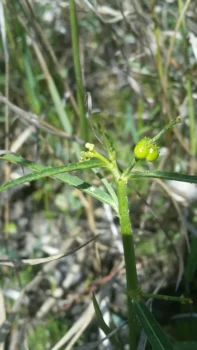
Chestnutleaf False Croton: A Lesser-Known Wetland Perennial
If you’ve stumbled across the name chestnutleaf false croton in your plant research, you’re looking at one of those botanical mysteries that keeps gardeners scratching their heads. Caperonia castaneifolia isn’t your typical garden center find, and there’s a good reason for that – it’s a rather uncommon non-native perennial that has quietly established itself in a small corner of the southeastern United States.
What Exactly Is Chestnutleaf False Croton?
Despite its common name suggesting a connection to crotons, chestnutleaf false croton is actually a herbaceous perennial forb. Think of it as a non-woody plant that dies back to the ground each winter but returns from its roots come spring. The chestnut part of its name likely refers to the shape or color of its leaves, though detailed descriptions of this plant’s appearance are surprisingly hard to come by in gardening literature.
Where You’ll Find It Growing Wild
This plant has made itself at home in just two states: Florida and Mississippi. It’s what botanists call an introduced species, meaning it originally came from somewhere else but now reproduces on its own in the wild without any help from humans.
- Species observed
- No observations
The Wetland Connection
Here’s where things get interesting for water gardeners and those dealing with soggy spots in their yards. Chestnutleaf false croton is classified as a facultative wetland plant in the Atlantic and Gulf Coastal Plain region. In plain English, this means:
- It usually prefers wet feet but can tolerate drier conditions
- You’re more likely to spot it near water sources, drainage areas, or in naturally moist soil
- It could potentially work in rain gardens or bog-like settings
Should You Plant It in Your Garden?
This is where we hit a bit of a roadblock. While chestnutleaf false croton isn’t listed as invasive or noxious (at least not that we know of), there’s precious little information about how it behaves in cultivation, what it looks like when it’s happy, or even basic growing requirements like sunlight preferences and soil pH.
Since it’s non-native and we don’t have solid data on its garden behavior, you might want to consider some well-documented native alternatives for wet areas instead:
- Blue flag iris (Iris virginica) for striking flowers
- Cardinal flower (Lobelia cardinalis) for hummingbird appeal
- Swamp milkweed (Asclepias incarnata) for monarch butterflies
The Growing Information Gap
If you’re determined to try growing chestnutleaf false croton, you’ll be pioneering somewhat uncharted territory. We know it’s a perennial that likes moist conditions and grows in USDA zones that include Florida and Mississippi (roughly zones 8-10), but specifics about:
- Mature size and spread
- Flower color and timing
- Propagation methods
- Pest and disease issues
- Wildlife benefits
…are simply not well documented in horticultural sources.
The Bottom Line
Chestnutleaf false croton represents one of those fascinating gaps in our gardening knowledge. While it’s established itself in wild wetland areas of the Southeast, it hasn’t made the jump to mainstream horticulture – and that might be for good reason. If you’re looking for reliable, well-understood plants for wet areas of your garden, you’ll find much better information and support by choosing native species that have proven track records with gardeners and wildlife alike.
Sometimes the most interesting plants are the ones we admire from a distance while we stick with the tried-and-true options that we know will thrive and support our local ecosystems.