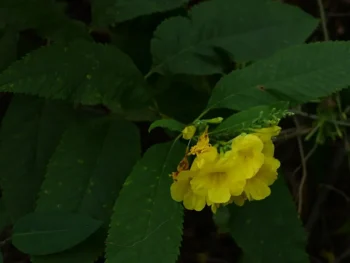
Chestnutleaf Trumpetbush: A Tropical Showstopper for Warm Climate Gardens
If you’ve been searching for a flowering shrub that brings year-round color to your tropical or subtropical garden, the chestnutleaf trumpetbush might just catch your eye. This eye-catching shrub, scientifically known as Tecoma castanifolia, offers vibrant blooms and attractive foliage that can transform any warm-climate landscape.
What Exactly Is Chestnutleaf Trumpetbush?
The chestnutleaf trumpetbush is a perennial flowering shrub that typically grows as a multi-stemmed woody plant, usually reaching heights of 13 to 16 feet under ideal conditions. What makes this plant particularly interesting is its distinctive compound leaves with serrated edges that resemble chestnut leaves – hence the common name. The real showstoppers, however, are its bright yellow-orange trumpet-shaped flowers that bloom throughout the year in tropical climates.
Where Does It Come From?
Originally native to Ecuador and Peru in South America, this tropical beauty has found its way to various warm regions around the world. In the United States, you’ll currently find established populations in Hawaii, where it has been introduced and now reproduces naturally in the wild.
- Species observed
- No observations
The Appeal Factor: Why Gardeners Love It
There’s no denying that chestnutleaf trumpetbush brings some serious visual appeal to the garden. Here’s what makes it attractive to many gardeners:
- Vibrant yellow-orange trumpet flowers that bloom year-round in tropical areas
- Attractive compound leaves that add textural interest
- Relatively fast growth rate for quick landscape impact
- Drought tolerance once established
- Attracts pollinators like hummingbirds, bees, and butterflies
Garden Design and Landscape Uses
This versatile shrub can play several roles in your garden design. Use it as a specimen plant to create a focal point, plant it in groups for a dramatic hedge, or incorporate it into mixed borders for continuous color. Its moderate size makes it perfect for tropical and subtropical gardens where you want impact without overwhelming smaller spaces.
Growing Conditions and Care
Chestnutleaf trumpetbush thrives in USDA hardiness zones 9-11, making it suitable only for the warmest parts of the United States. If you’re lucky enough to live in these zones, here’s what this shrub prefers:
- Light: Full sun to partial shade
- Soil: Well-draining soil of various types
- Water: Regular watering, though drought tolerant once established
- Temperature: Heat loving – cannot tolerate frost
Planting and Care Tips
Getting your chestnutleaf trumpetbush established is fairly straightforward:
- Plant in spring after any danger of frost has passed
- Dig a hole twice as wide as the root ball
- Water regularly during the first growing season
- Prune after flowering to maintain shape and encourage bushier growth
- Apply a balanced fertilizer during the growing season
- Mulch around the base to retain moisture and suppress weeds
A Word About Native Alternatives
While chestnutleaf trumpetbush can be a beautiful addition to warm-climate gardens, it’s worth considering that this is a non-native species. For gardeners interested in supporting local ecosystems and native wildlife, exploring native alternatives might be worthwhile. Native plants are typically better adapted to local conditions and provide superior habitat and food sources for local birds, butterflies, and other wildlife.
If you’re gardening in Hawaii, consider researching native Hawaiian flowering shrubs that might offer similar aesthetic appeal while supporting the islands’ unique ecosystem.
The Bottom Line
Chestnutleaf trumpetbush can be a stunning addition to tropical and subtropical gardens, offering year-round blooms and attractive foliage. While it’s not native to the United States, it’s not currently listed as invasive either. If you decide to grow it, you’ll be rewarded with a relatively low-maintenance shrub that attracts pollinators and adds tropical flair to your landscape. Just remember to consider native alternatives that might provide even greater benefits to your local ecosystem while still giving you that pop of color you’re after.