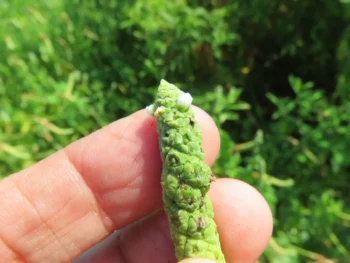
Chickenspike: An Unusual Wetland Annual for Specialized Gardens
If you’ve never heard of chickenspike (Sphenoclea zeylanica), you’re not alone! This quirky little wetland plant isn’t your typical garden center find, but it has carved out a niche in certain specialized growing situations across the southeastern United States.
What Exactly is Chickenspike?
Chickenspike is an annual forb—basically a non-woody plant that completes its entire life cycle in one growing season. As a forb, it lacks the woody stems of shrubs and trees, instead producing soft, herbaceous growth that dies back each year. The plant gets its unusual common name from its distinctive flower spikes that somewhat resemble, well, a chicken’s spike-like crest.
Where Does It Come From?
Here’s where things get interesting: chickenspike isn’t actually native to North America. This plant originally hails from tropical regions of Asia and Africa but has established itself as a naturalized resident in many southeastern states. It now grows wild and reproduces on its own in Alabama, Arkansas, Florida, Georgia, Louisiana, Mississippi, Missouri, North Carolina, Oklahoma, South Carolina, Texas, and Puerto Rico.
- Species observed
- No observations
The Wetland Connection
If you’re thinking about growing chickenspike, you absolutely must understand its relationship with water. This plant is serious about staying wet! Depending on your region, it ranges from facultative wetland to obligate wetland status:
- In the Atlantic and Gulf Coastal Plains: Usually found in wetlands but can tolerate some drier conditions
- In the Caribbean, Eastern Mountains and Piedmont, and Great Plains: Almost always requires wetland conditions
Translation? This plant wants its feet wet—very wet.
Should You Grow Chickenspike?
Let’s be honest: chickenspike isn’t going to win any beauty contests. Its small, greenish-white flowers clustered in dense terminal spikes are more curious than gorgeous. The plant typically reaches modest heights and won’t provide the showstopping visual impact of more traditional garden plants.
However, you might consider chickenspike if you:
- Have a bog garden or wetland restoration project
- Enjoy growing unusual or rare plants
- Need something for consistently wet, muddy areas where other plants struggle
- Are creating habitat for small insects and wildlife
Growing Conditions and Care
If you decide to give chickenspike a try, here’s what it needs to thrive:
Climate: Best suited for USDA hardiness zones 8-11, matching its current distribution range.
Soil and Water: Consistently moist to waterlogged soil is essential. Think muddy pond edges, the margins of rain gardens, or bog conditions. Regular garden soil, even when kept moist, typically won’t cut it.
Light: Full sun to partial shade, though it seems to perform best with plenty of direct sunlight.
Care: Once established in suitable conditions, chickenspike is relatively low-maintenance. As an annual, it will complete its cycle and die back, but may self-seed in appropriate conditions.
A Word About Native Alternatives
While chickenspike isn’t considered invasive, many gardeners prefer supporting native plant ecosystems. If you’re creating wetland habitat, consider these native alternatives that provide similar growing conditions and often superior wildlife benefits:
- Cardinal flower (Lobelia cardinalis)
- Blue flag iris (Iris virginica)
- Swamp milkweed (Asclepias incarnata)
- Pickerelweed (Pontederia cordata)
The Bottom Line
Chickenspike is definitely a plant for specialized situations and gardeners who appreciate the unusual. While it won’t transform your landscape with stunning blooms, it fills a specific niche for wet areas and adds an interesting element to wetland gardens. Just remember: this plant is all about the water, so don’t even think about growing it unless you can provide consistently soggy conditions!
Whether you choose chickenspike or opt for native wetland alternatives, creating habitat for water-loving plants adds valuable diversity to our garden ecosystems—and sometimes the most interesting plants are the ones that march to the beat of their own drum.