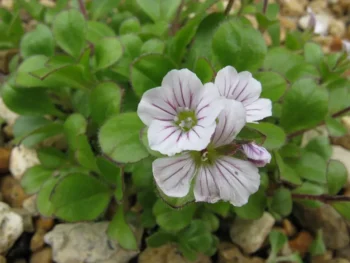
Chickweed Baby’s-Breath: A Lesser-Known Garden Perennial
If you’ve stumbled across the name chickweed baby’s-breath in your gardening research, you might be scratching your head wondering what exactly this plant is all about. Gypsophila cerastoides, as it’s scientifically known, is one of those plants that seems to fly under the radar in the gardening world – and for good reason, as we’ll explore.
What Is Chickweed Baby’s-Breath?
Chickweed baby’s-breath is a perennial forb, which simply means it’s a non-woody herbaceous plant that comes back year after year. Unlike its more famous cousin, the common baby’s-breath (Gypsophila paniculata) that you might recognize from flower arrangements, this species is much less commonly encountered in gardens and landscapes.
Where Does It Come From?
This plant is not native to North America – it’s what botanists call an introduced species that has found its way here from elsewhere. In the United States, it has been documented growing in New Jersey, though its presence is quite limited compared to other members of the baby’s-breath family.
- Species observed
- No observations
Should You Plant Chickweed Baby’s-Breath?
Here’s where things get a bit tricky. While this plant isn’t listed as invasive or noxious, there’s surprisingly little information available about its garden performance, growing requirements, or even its basic characteristics. This lack of information might be telling – it could indicate that the plant simply isn’t widely cultivated or doesn’t perform well enough in gardens to warrant much attention from horticulturists.
Better Alternatives to Consider
If you’re drawn to the idea of baby’s-breath-type plants in your garden, you might want to consider these native alternatives that offer similar delicate, airy textures:
- Wild Bergamot (Monarda fistulosa) – Offers delicate flowers and attracts pollinators
- White Wild Indigo (Amorpha alba) – Provides airy, white flower spikes
- Tall Boneset (Eupatorium altissimum) – Creates clouds of small white flowers
- Wild Columbine (Aquilegia canadensis) – Delicate, dancing flowers on thin stems
The Mystery of Limited Information
One of the most striking things about Gypsophila cerastoides is how little reliable information exists about it in gardening and botanical literature. This could mean several things: it might be difficult to grow, might not be particularly ornamental, or simply might not have caught the attention of gardeners and plant breeders.
If You’re Still Curious
If you’re determined to learn more about this plant, your best bet would be to contact botanical gardens, native plant societies in New Jersey, or university extension offices. They might have more specific information about local populations and growing characteristics.
However, for most gardeners looking to add delicate, baby’s-breath-like textures to their landscapes, focusing on well-documented native alternatives will likely give you better results and provide more benefits to local wildlife and ecosystems.
The Bottom Line
While chickweed baby’s-breath might sound intriguing, the lack of available growing information and its non-native status make it a questionable choice for most gardens. Instead, consider exploring the many native plants that can provide similar aesthetic appeal while supporting your local ecosystem. Your garden – and the wildlife that visits it – will thank you for choosing plants with a proven track record of success and ecological benefit.