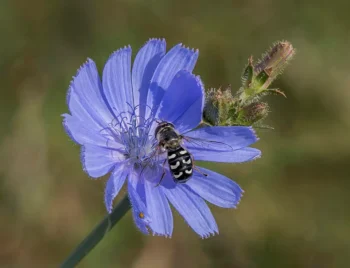
Chicory: The Blue Beauty Along America’s Roadsides
If you’ve ever driven down a country road in summer and noticed bright blue flowers dancing in the breeze, you’ve likely spotted chicory (Cichorium intybus). This perennial herb, also known by names like French endive and succory, has become a familiar sight across North America, though it originally hails from Europe, western Asia, and northern Africa.
Where You’ll Find Chicory Growing Wild
Chicory has made itself quite at home across the continent. This adaptable plant now grows wild in almost every U.S. state and Canadian province, from Alberta to Alabama, and from British Columbia to Florida. You’ll spot it thriving in disturbed soils, roadsides, fields, and vacant lots throughout these regions.
- Species observed
- No observations
What Makes Chicory Special
As a non-native species, chicory has naturalized extensively across North America. While it reproduces and persists without human intervention, it’s not currently classified as invasive or noxious in most areas. However, gardeners interested in supporting native ecosystems might consider native alternatives like wild bergamot or New England aster.
This sturdy forb (a non-woody flowering plant) typically reaches about 2 feet tall and forms an upright, bunch-like growth pattern. Its coarse-textured green foliage provides a backdrop for the real show-stopper: brilliant blue flowers that bloom conspicuously throughout mid-summer.
Garden Appeal and Design Uses
Chicory brings several appealing qualities to the garden:
- Eye-catching blue daisy-like flowers that open in the morning
- Rapid growth rate for quick establishment
- Attracts bees, butterflies, and other beneficial pollinators
- Drought tolerance once established
- Self-seeding ability for naturalized areas
This plant works well in wildflower gardens, meadow plantings, cottage gardens, or naturalized areas where a more relaxed, informal look is desired. Its upright form and summer blooms make it a good middle-layer plant in mixed plantings.
Growing Conditions and Care
One of chicory’s biggest advantages is its adaptability. This tough plant thrives in USDA hardiness zones 3-10 and tolerates a wide range of growing conditions:
- Soil: Adapts to coarse, medium, or fine-textured soils with pH between 6.0-7.5
- Sunlight: Prefers full sun (intolerant of shade)
- Water: Medium drought tolerance; prefers consistent moisture but handles dry spells
- Fertility: Actually prefers high-fertility soils despite its weedy reputation
- Temperature: Hardy to -43°F, needs at least 90 frost-free days
Chicory typically grows as a facultative upland plant, meaning it usually prefers non-wetland conditions but can occasionally tolerate wetter soils.
Planting and Propagation
Growing chicory is refreshingly straightforward. The plant is routinely available commercially and propagates easily from seed – in fact, it’s one of the few ways to grow it, as it doesn’t propagate well from cuttings, bulbs, or other methods.
Seeds can be direct-sown in spring or fall, with about 426,400 seeds per pound. The seedlings show high vigor and establish rapidly. Once established, chicory often self-seeds, spreading at a rapid rate in suitable conditions.
Things to Consider
While chicory offers many positive qualities, there are a few things to keep in mind:
- As a non-native species, it may not provide the same ecological benefits as native wildflowers
- Its rapid self-seeding can lead to unexpected spread
- The plant has a relatively short lifespan for a perennial
- Flowers close by afternoon, so morning is the best time to enjoy the blooms
The Bottom Line
Chicory can be a charming addition to informal gardens, especially for those who appreciate its bright blue summer blooms and easy-care nature. However, gardeners focused on supporting native wildlife and ecosystems might want to explore native alternatives that provide similar aesthetic appeal while offering greater ecological benefits.
Whether you choose to plant chicory or simply appreciate it growing wild along roadsides, there’s no denying the cheerful presence of those brilliant blue flowers dotting the summer landscape.