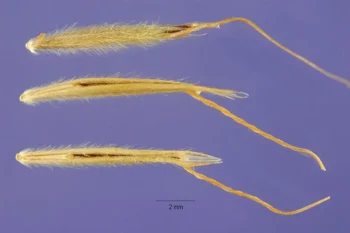
Chilean Chess: Understanding This Non-Native Grass in Western Gardens
If you’ve spotted a droopy-looking annual grass popping up in disturbed areas around your property, you might be looking at Chilean chess (Bromus berteroanus). While this South American native has made itself at home across several western states, it’s not exactly what most gardeners would call a welcome addition to their landscape.
What is Chilean Chess?
Chilean chess is an annual grass that originally hails from Chile and western South America. Botanically known as Bromus berteroanus, this species belongs to the brome grass family and has several scientific synonyms you might encounter, including Bromus berterianus and Bromus trinii.
As a non-native species, Chilean chess has established itself in the wild across Arizona, California, Nevada, Oregon, and Utah, reproducing without human assistance and persisting in these regions.
- Species observed
- No observations
Should You Plant Chilean Chess?
Here’s the straight scoop: Chilean chess isn’t typically considered a desirable garden plant. While it’s not officially classified as invasive, this weedy grass tends to show up uninvited rather than being purposefully planted. Its aesthetic appeal is minimal, and it doesn’t offer the ecological benefits that native grasses provide.
Better Native Alternatives
Instead of Chilean chess, consider these native grass options for your western garden:
- Blue grama (Bouteloua gracilis) – drought-tolerant with attractive seed heads
- Purple needlegrass (Stipa pulchra) – California’s state grass with graceful movement
- Buffalo grass (Poaceae dactyloides) – excellent for low-maintenance lawns
- Deer grass (Muhlenbergia rigens) – stunning fountain-like form
Growing Conditions and Characteristics
If Chilean chess does appear on your property, here’s what you can expect:
- Climate zones: USDA zones 8-10
- Soil preferences: Tolerates poor, disturbed soils
- Water needs: Drought-tolerant once established
- Growth habit: Annual grass that completes its lifecycle in one year
- Typical locations: Roadsides, waste areas, and disturbed sites
Wildlife and Pollinator Value
Chilean chess offers limited benefits to local wildlife. As a wind-pollinated grass, it doesn’t attract pollinators like native flowering plants do. While some birds might occasionally eat its seeds, native grasses provide much better wildlife habitat and food sources.
Management Tips
Rather than encouraging Chilean chess, consider these management strategies:
- Remove plants before they set seed to prevent spread
- Improve soil health to encourage native species
- Plant desirable native grasses to outcompete weedy species
- Maintain healthy, established vegetation to prevent colonization
The Bottom Line
While Chilean chess isn’t a garden villain, it’s not exactly a garden hero either. This adaptable grass serves as a reminder that sometimes the most successful plants aren’t necessarily the ones we want in our carefully planned landscapes. By choosing native alternatives, you’ll create a more ecologically valuable garden that supports local wildlife while still getting that lovely, natural grass texture you’re after.
Remember, the best gardens work with nature rather than against it – and that usually means choosing plants that belong in your local ecosystem from the start.