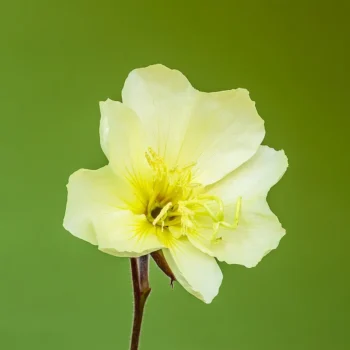
Chilean Evening Primrose: A South American Wildflower in American Gardens
If you’ve ever spotted cheerful yellow flowers opening as the sun sets, you might have encountered the Chilean evening primrose (Oenothera stricta). This South American native has found its way into gardens across California and Hawaii, bringing a touch of evening magic wherever it grows.
What is Chilean Evening Primrose?
Chilean evening primrose is an annual to biennial forb – that’s garden-speak for a non-woody herbaceous plant that completes its life cycle in one to two years. True to its evening primrose heritage, this plant puts on its best show as daylight fades, with small yellow blooms that open in the evening hours.
Originally from South America, this species has established itself as a non-native plant that reproduces freely in the wild in both California and Hawaii. While it’s not considered invasive, it does have that pioneering spirit that allows it to thrive without much human intervention.
- Species observed
- No observations
Garden Appeal and Characteristics
What makes Chilean evening primrose interesting for gardeners? Its evening-blooming habit creates a unique garden experience – imagine stepping outside after dinner to find fresh flowers just beginning to open! The small yellow blooms may not be showstoppers individually, but they create a delicate, naturalistic effect that works well in wildflower gardens and naturalized areas.
As an annual or biennial, this plant offers flexibility in garden design. You can enjoy it for a season or two, then let it self-sow for a more spontaneous garden feel, or clear it out to make room for something new.
Growing Chilean Evening Primrose
One of the appealing aspects of Chilean evening primrose is its adaptability. Like many evening primroses, it’s relatively easy to grow and doesn’t demand premium garden conditions.
Ideal Growing Conditions
- Full sun exposure for best flowering
- Adaptable to various soil types
- Tolerates dry conditions once established
- Thrives in naturalized, less formal garden settings
Planting and Care Tips
- Start from seed in spring after last frost
- Scatter seeds in desired areas – they often self-sow readily
- Water moderately during establishment
- Minimal maintenance required once growing
- Allow some plants to go to seed if you want natural reseeding
Wildlife and Pollinator Benefits
The evening-blooming nature of Chilean evening primrose makes it particularly valuable for night-flying pollinators, especially moths. These nocturnal visitors appreciate flowers that open just as they’re beginning their evening activities. While not as well-documented as some native species, evening primroses generally support various pollinators during their active hours.
Should You Plant Chilean Evening Primrose?
This is where things get interesting for the environmentally conscious gardener. Chilean evening primrose isn’t native to North America, but it’s also not listed as invasive or problematic. If you’re drawn to its evening-blooming charm and naturalistic appeal, it can certainly have a place in your garden – just be mindful of its self-seeding tendencies.
However, if you’re passionate about supporting native ecosystems, consider these native alternatives that offer similar benefits:
- Native Oenothera species like O. biennis (common evening primrose) in appropriate regions
- Local native wildflowers that bloom in evening hours
- Regional native plants that support night-flying pollinators
The Bottom Line
Chilean evening primrose offers gardeners an easy-care option for adding evening interest to naturalistic plantings. While it’s not native, its non-invasive status means you can enjoy it without major ecological concerns – though native alternatives might serve your local ecosystem even better. Whether you choose to grow it or not, this little South American immigrant serves as a reminder of how plants travel the world and adapt to new homes, sometimes becoming part of the landscape in unexpected ways.
If you do decide to grow Chilean evening primrose, embrace its casual, self-seeding nature and enjoy those magical moments when evening arrives and the flowers begin to open, welcoming the night shift of garden visitors.