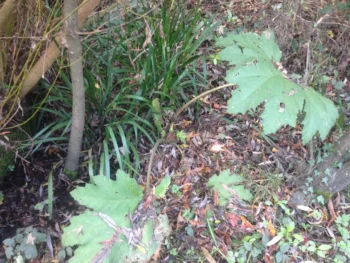
Chilean Gunnera: The Giant-Leafed Showstopper That Commands Attention
If you’ve ever dreamed of creating a prehistoric jungle vibe in your garden, Chilean gunnera might just be the plant to make those dreams come true. With leaves that can stretch up to six feet across, this South American native turns any landscape into a dramatic spectacle that’s impossible to ignore.
What Exactly Is Chilean Gunnera?
Chilean gunnera (Gunnera tinctoria), also known by its synonym Gunnera chilensis, is a perennial herbaceous plant that defies expectations of what a forb should look like. While technically classified as a non-woody plant, this giant can tower 6-8 feet tall and spread 8-10 feet wide, creating an almost shrub-like presence in the garden.
Originally from Chile and parts of South America, this non-native species has found its way into California gardens where it thrives in the right conditions. As an introduced species that can reproduce on its own in the wild, it’s worth understanding both its garden potential and ecological considerations before planting.
Where Does Chilean Gunnera Grow?
In the United States, Chilean gunnera has established itself primarily in California, where the climate suits its preferences for cool, moist conditions. It flourishes in USDA hardiness zones 7-10, making it suitable for much of the Pacific Coast and other temperate regions.
- Species observed
- No observations
The Wow Factor: What Makes This Plant Special
Let’s be honest – Chilean gunnera is all about making a statement. Here’s what gives this plant its undeniable appeal:
- Massive leaves: Those enormous, deeply textured leaves create instant drama and architectural interest
- Fast growth: Under ideal conditions, it grows quickly to fill large spaces
- Tropical appearance: Perfect for creating exotic, lush garden themes
- Year-round presence: As a perennial, it provides lasting structure to the landscape
Where Chilean Gunnera Shines in the Garden
This isn’t a plant for small spaces or subtle garden designs. Chilean gunnera works best as:
- A focal point in large landscapes
- Backdrop planting near water features or bog gardens
- Statement plant in tropical or exotic-themed gardens
- Architectural element in modern landscape designs
The plant produces inconspicuous, wind-pollinated flowers, so don’t expect it to attract many pollinators. Its value lies purely in its dramatic foliage and structural presence.
Growing Chilean Gunnera Successfully
If you decide to grow Chilean gunnera, success depends on mimicking its native bog-like conditions:
Essential Growing Conditions:
- Moisture: Consistent, abundant water – think bog garden conditions
- Light: Partial shade to full sun, but protect from intense afternoon heat
- Soil: Rich, organic, constantly moist to wet soil
- Space: Allow 8-10 feet for mature spread
Planting and Care Tips:
- Plant in spring after frost danger passes
- Mulch heavily around the base for winter protection
- In colder zones, the plant may die back to the ground but return in spring
- Regular watering is non-negotiable – drought will quickly stress or kill the plant
- Feed with rich compost or organic fertilizer during the growing season
Should You Plant Chilean Gunnera?
The decision comes down to your garden goals and environmental consciousness. While Chilean gunnera creates undeniable drama and can be grown successfully with proper care, it’s worth considering that as a non-native species, it doesn’t provide the same ecological benefits as native plants.
If you’re drawn to large, architectural foliage plants, consider exploring native alternatives that might offer similar visual impact while supporting local wildlife and ecosystems. However, if you have the right growing conditions and space for this garden giant, Chilean gunnera can certainly create the tropical paradise effect many gardeners crave.
Just remember – with great leaves comes great responsibility for consistent watering and plenty of space!