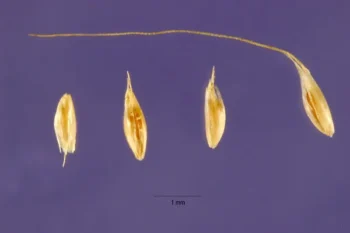
Chilean Rabbitsfoot Grass: A Soft Addition to Wet Gardens
If you’re looking for a grass that brings a touch of softness to your water-loving garden spaces, Chilean rabbitsfoot grass might have caught your eye. This perennial grass, with its delightfully fuzzy seed heads, has found its way into several western states and offers an interesting option for gardeners who appreciate texture and movement in their landscapes.
What is Chilean Rabbitsfoot Grass?
Chilean rabbitsfoot grass (Polypogon australis) is a perennial grass that forms attractive tufted clumps. True to its common name, this grass produces soft, feathery seed heads that have an almost rabbitsfoot-like appearance when they emerge. The silvery, plume-like inflorescences create a gentle, cloud-like effect that sways beautifully in the breeze.
Where Does It Grow?
Originally native to South America, particularly Chile and Argentina, this grass has established itself in several western U.S. states. You’ll currently find Chilean rabbitsfoot grass growing in:
- Arizona
- California
- Nevada
- Washington
As a non-native species that reproduces on its own in the wild, it has found suitable conditions in these regions to persist and spread naturally.
- Species observed
- No observations
Growing Conditions and Care
Chilean rabbitsfoot grass is quite particular about its growing conditions, which makes it both easier to place in your garden and potentially easier to manage. Here’s what this grass needs to thrive:
Water Requirements
This grass loves moisture! It’s classified as a facultative wetland plant in both the Arid West and Western Mountains regions, meaning it usually grows in wetlands but can tolerate some drier conditions. Plan to keep the soil consistently moist to wet.
Light and Soil
Chilean rabbitsfoot grass performs best in full sun to partial shade. It’s not particularly fussy about soil type as long as moisture levels remain adequate.
Hardiness
This perennial grass typically thrives in USDA zones 8-10, making it suitable for warmer regions with mild winters.
Garden Design and Landscaping Uses
Chilean rabbitsfoot grass can play several roles in your landscape design:
- Water garden borders and edges
- Bog gardens and rain gardens
- Naturalistic wetland plantings
- Texture contrast in mixed plantings
The soft, silvery seed heads provide excellent movement and catch light beautifully, making them particularly striking when backlit by morning or evening sun.
Should You Plant It?
While Chilean rabbitsfoot grass can be an attractive addition to wet garden areas, there are a few things to consider. As a non-native species, it doesn’t provide the same ecological benefits as native grasses. Its ability to spread via rhizomes means it could potentially become more aggressive than you initially planned.
Native Alternatives to Consider
Before choosing Chilean rabbitsfoot grass, consider these native options that provide similar aesthetic appeal while supporting local ecosystems:
- Native sedges (Carex species) for similar texture and wetland tolerance
- Native rushes (Juncus species) for upright form in wet areas
- Regional native grasses adapted to moist conditions
Planting and Maintenance Tips
If you decide to grow Chilean rabbitsfoot grass, here are some key care considerations:
- Plant in spring after frost danger has passed
- Ensure consistent moisture throughout the growing season
- Monitor for spreading and contain if necessary
- Cut back in late winter or early spring before new growth
- Consider growing in containers to limit spread
Wildlife and Pollinator Value
As a wind-pollinated grass, Chilean rabbitsfoot grass doesn’t offer significant direct benefits to pollinators like bees and butterflies. While it may provide some habitat structure, native grasses and sedges would offer greater wildlife value and food sources for local fauna.
The Bottom Line
Chilean rabbitsfoot grass can be a lovely addition to water-focused gardens, offering unique texture and visual interest with its soft, silvery seed heads. However, as a non-native species with spreading tendencies, it’s worth weighing against native alternatives that provide similar beauty while supporting your local ecosystem. If you do choose to grow it, keep an eye on its spread and enjoy those delightful fuzzy plumes that give this grass its charming common name!