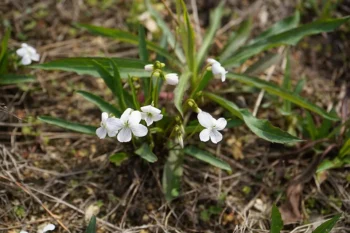
China Violet: A Charming Asian Import for Your Shade Garden
Meet the China violet (Viola patrinii), a delightful little perennial that’s been quietly making itself at home in parts of the eastern United States. While it may not be a native wildflower, this charming Asian import has some appealing qualities that might catch your gardening eye—along with a few considerations worth pondering before you invite it into your landscape.
What Exactly Is China Violet?
China violet is a small herbaceous perennial in the violet family, originally hailing from eastern Asia. Botanically known as Viola patrinii (you might also see it listed under its synonym Viola chinensis), this little forb brings classic violet charm with its heart-shaped leaves and delicate purple flowers.
As a non-native species, China violet has established itself in several eastern states, including the District of Columbia, Maryland, and New York, where it reproduces on its own and persists without human intervention.
- Species observed
- No observations
The Appeal of China Violet
So what makes this little violet worth considering? Here are its standout features:
- Produces charming purple flowers that add subtle color to shade gardens
- Forms attractive ground cover with heart-shaped foliage
- Thrives in partial to full shade where many other flowers struggle
- Attracts small pollinators like bees and butterflies
- Low-maintenance once established
- Hardy in USDA zones 4-8
Where China Violet Shines in Your Garden
China violet works best in informal, naturalized settings rather than formal garden designs. Consider it for:
- Woodland gardens and shaded borders
- Rock gardens with partial shade
- Naturalized areas where you want gentle groundcover
- Spots under trees where grass struggles to grow
Growing China Violet Successfully
The good news is that China violet is fairly easygoing. Here’s what it prefers:
Light: Partial shade to full shade—this isn’t a sun-lover
Soil: Moist, well-draining soil with decent organic content
Water: Consistent moisture without waterlogging
Maintenance: Minimal—it’s quite self-sufficient once settled in
Be aware that China violet can self-seed readily, so it may spread beyond where you initially plant it. While this can be lovely for naturalizing an area, keep an eye on it if you prefer more controlled garden spaces.
A Word About Native Alternatives
While China violet isn’t considered invasive or problematic, you might want to consider native violet species that provide similar benefits while supporting local ecosystems. Native options like common blue violet (Viola sororia) or early blue violet (Viola adunca) offer comparable charm with the added bonus of being perfectly adapted to local conditions and wildlife needs.
The Bottom Line on China Violet
China violet can be a pleasant addition to shade gardens, especially if you appreciate its subtle beauty and easy-care nature. Just remember that as a non-native species, it won’t provide the same ecological benefits as native alternatives. Whether you choose this Asian charmer or opt for a native violet cousin, you’ll be adding delightful spring color to those shadier corners of your garden.
The choice, as always, is yours—but now you have the full picture to make an informed decision for your unique garden space.