Chinese Banyan: A Glossy-Leaved Giant for Warm Climate Gardens
If you’ve ever strolled through a tropical or subtropical landscape and admired those stately trees with glossy, dark green leaves and impressive canopies, chances are you’ve encountered a Chinese banyan (Ficus microcarpa). This robust member of the fig family has become a familiar sight in warm climate gardens, though it hails from far beyond North American shores.
What Exactly Is a Chinese Banyan?
The Chinese banyan goes by several names – you might hear it called curtain fig, laurel fig, or Malay banyan. Despite its common name suggesting Chinese origins, this perennial woody plant actually spreads its native roots across Southeast Asia, southern China, India, and northern Australia. It’s a shrub that can grow into quite the impressive specimen, typically reaching 13 to 16 feet in height, though it can stretch much taller under the right conditions.
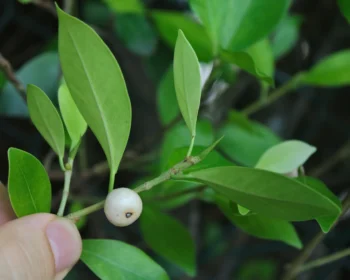
What makes this plant particularly eye-catching are its glossy, oval-shaped leaves that create a dense, lush canopy. As it matures, the Chinese banyan can develop dramatic aerial roots and an impressive buttressed trunk that gives it serious landscape presence.
Where You’ll Find Chinese Banyan Growing
In the United States, you’ll spot Chinese banyan thriving in Florida, Hawaii, and U.S. territories including Guam, Palau, Puerto Rico, and various Minor Outlying Islands. It’s worth noting that this species is non-native to these areas – it was introduced and now reproduces on its own in the wild.
- Species observed
- No observations
Should You Plant a Chinese Banyan?
Here’s where things get interesting. The Chinese banyan can be a stunning addition to the right garden, but there are some important considerations:
The Good Stuff:
- Creates beautiful, dense shade once established
- Glossy foliage provides year-round visual interest
- Extremely drought tolerant after the first year or two
- Works wonderfully as a specimen tree or privacy screen
- Can be pruned into attractive hedge form
- Excellent for urban landscapes due to its resilience
The Considerations:
- It’s not native to North America, so it won’t support local wildlife as effectively as indigenous species
- Those impressive aerial roots can potentially damage nearby structures if planted too close
- Can grow quite large, so space planning is crucial
- Provides minimal benefits to local pollinators
Perfect Growing Conditions
Chinese banyan is surprisingly adaptable, which explains its success in various climates. Here’s what it loves:
- Climate: USDA hardiness zones 9b through 12
- Light: Full sun to partial shade (though it performs best with plenty of sunshine)
- Soil: Well-draining soil of almost any type
- Water: Regular watering during establishment, then quite drought tolerant
- Location: Almost never found in wetlands – this is definitely an upland plant
Planting and Care Tips
Getting your Chinese banyan off to a good start isn’t rocket science, but a few key tips will help:
- Location, location, location: Plant it well away from buildings, sidewalks, and other structures to accommodate its eventual size and root system
- Establishment phase: Water regularly for the first 1-2 years to help it develop a strong root system
- Pruning: Regular pruning helps control size and shape – this is especially important in smaller spaces
- Patience: While it grows steadily, give it time to develop its full character
Garden Design Ideas
Chinese banyan works beautifully in several landscape scenarios:
- As a dramatic focal point in large yards
- Providing shade in courtyards or patios
- Creating natural privacy screens when pruned appropriately
- Urban landscaping where tough, attractive plants are needed
- Large container growing for patios (with regular pruning)
Consider Native Alternatives
While Chinese banyan can be a lovely addition to warm climate gardens, consider exploring native alternatives that provide similar benefits while supporting local ecosystems. Depending on your region, native species like live oak, bald cypress, or other indigenous shade trees might offer comparable beauty with added ecological benefits.
If you do choose to plant Chinese banyan, you’ll be rewarded with a resilient, attractive tree that brings tropical flair to your landscape. Just remember to give it plenty of space to spread its wings – or in this case, its glossy canopy!