Chinese Box-Orange: A Compact Evergreen Shrub for Warm Climate Gardens
If you’re searching for a neat, compact evergreen shrub that won’t overwhelm your landscape, the Chinese box-orange might catch your eye. This lesser-known ornamental, scientifically called Severinia buxifolia, brings a tidy appearance and year-round greenery to gardens in warmer climates.
What Is Chinese Box-Orange?
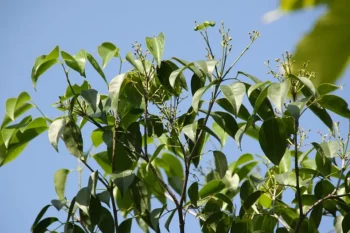
Chinese box-orange is a perennial evergreen shrub that typically stays under 13-16 feet tall, though most garden specimens remain much smaller. As its common name suggests, the glossy, dark green leaves have a boxwood-like appearance, giving it that classic, refined look that many gardeners love. Don’t let the orange part confuse you – while it does produce small orange-red berries, the plant isn’t related to citrus trees.
This shrub is also known by its botanical synonym Atalantia buxifolia, so you might encounter it under that name in older gardening literature.
Where Does It Come From?
Originally native to Southeast Asia, particularly southern China, Chinese box-orange has found its way into American gardens as an introduced species. In the United States, you’ll find it growing in Florida, where the warm, humid climate suits its preferences perfectly.
- Species observed
- No observations
Should You Plant Chinese Box-Orange?
Here’s the thing about Chinese box-orange – it’s one of those neutral plants that won’t cause ecological havoc, but it won’t provide the maximum benefits that native plants offer either. Since it’s non-native but not considered invasive, the choice really comes down to your gardening goals and personal preferences.
The Case for Growing It:
- Attractive evergreen foliage provides year-round structure
- Compact size makes it suitable for smaller spaces
- Glossy leaves add texture and visual interest
- Small white flowers offer subtle seasonal interest
- Colorful berries provide additional ornamental value
Things to Consider:
- Limited wildlife benefits compared to native alternatives
- Restricted to very warm climates (USDA zones 9b-11)
- May require protection from occasional frost
Growing Chinese Box-Orange Successfully
If you decide to give Chinese box-orange a try, here’s what you need to know to keep it happy:
Climate Requirements
This shrub is definitely a warm-weather lover, thriving in USDA hardiness zones 9b through 11. If you experience regular frost, this isn’t the plant for you – it’s quite frost-sensitive and can suffer significant damage from cold snaps.
Light and Soil Preferences
Chinese box-orange adapts well to both full sun and partial shade conditions, making it fairly flexible for different garden spots. It prefers well-drained soils and can handle the heat and humidity that many other plants struggle with.
Care and Maintenance
- Water regularly during the establishment period, then reduce frequency once settled
- Prune as needed to maintain desired shape and size
- Protect from frost with covers or strategic placement near warm structures
- Apply mulch around the base to retain moisture and regulate soil temperature
Landscape Uses
Chinese box-orange works well in several garden roles. Its compact, neat growth habit makes it suitable for formal hedging, border plantings, or as a specimen shrub. It fits particularly well in Mediterranean-style landscapes, subtropical gardens, or any design where you want reliable evergreen structure without overwhelming size.
Consider Native Alternatives
While Chinese box-orange isn’t problematic, native plants typically offer superior benefits for local wildlife and ecosystems. If you’re gardening in Florida, consider exploring native alternatives like firebush (Hamelia patens) or native azaleas that provide similar ornamental value while supporting local pollinators and wildlife.
The Bottom Line
Chinese box-orange is a perfectly respectable choice for warm-climate gardeners who appreciate neat, evergreen shrubs. It won’t revolutionize your landscape, but it will provide reliable, attractive foliage and subtle seasonal interest. Just remember that in our interconnected ecosystems, every plant choice is an opportunity to support local wildlife – so consider mixing in some native options alongside any non-native ornamentals you choose to grow.