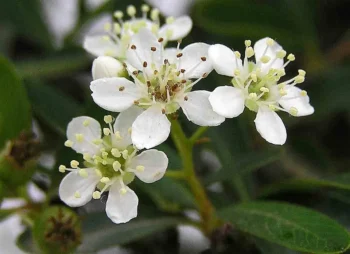
Chinese Firethorn: A Thorny Beauty for Year-Round Interest
If you’re looking for a plant that’s equal parts beautiful and formidable, Chinese firethorn (Pyracantha fortuneana) might just be your perfect match. This evergreen shrub brings drama to the landscape with its gorgeous spring blooms and show-stopping winter berries—though it definitely keeps visitors at arm’s length with its impressive thorns!
What is Chinese Firethorn?
Chinese firethorn is a perennial, multi-stemmed woody shrub that typically grows 13-16 feet tall, though it can reach greater heights under ideal conditions. Originally from China and Southeast Asia, this non-native species has made itself at home in parts of the United States, where it reproduces naturally and persists without human intervention.
You might also see this plant listed under its synonym, Pyracantha crenatoserrata, but don’t let the scientific names confuse you—it’s the same thorny character we’re talking about!
Where Does Chinese Firethorn Grow?
In the United States, Chinese firethorn has established populations in Alabama, California, Florida, Hawaii, South Carolina, and Texas. It thrives in USDA hardiness zones 7-10, making it suitable for warmer regions with mild winters.
- Species observed
- No observations
The Good, The Bad, and The Thorny
Why you might love it:
- Stunning clusters of small white flowers in spring that attract bees and other pollinators
- Brilliant orange-red berries that provide winter interest and food for birds
- Evergreen foliage keeps your landscape looking full year-round
- Drought tolerant once established
- Makes an excellent security barrier thanks to those fierce thorns
- Adaptable to various soil types
Why you might think twice:
- Seriously sharp thorns make maintenance a challenge
- Can be aggressive in spreading
- As a non-native species, it doesn’t provide the same ecological benefits as native alternatives
- Berries can create a mess when they drop
Growing Chinese Firethorn Successfully
If you decide Chinese firethorn is right for your landscape, here’s how to help it thrive:
Planting: Choose a location with full sun to partial shade. Spring is the ideal planting time. Make sure you have plenty of space—remember, this shrub can get quite large!
Soil and Water: Chinese firethorn isn’t picky about soil type, but it does prefer well-draining conditions. Water regularly during the first year to help establish roots, then reduce watering as the plant becomes drought tolerant.
Maintenance: Always wear thick gloves and protective clothing when working around this plant. Prune after flowering to maintain shape and size. The thorns mean business, so take your time and be careful!
Landscape Uses
Chinese firethorn works well in several landscape scenarios:
- Security barriers and privacy screens
- Espalier against walls or fences
- Specimen plantings in Mediterranean or xeriscape gardens
- Formal landscape designs where structure is important
Consider Native Alternatives
While Chinese firethorn can be a striking addition to the right landscape, consider exploring native alternatives that provide similar benefits while supporting local ecosystems. Native plants often require less maintenance and provide better habitat for local wildlife. Research native shrubs in your area that offer thorny protection, attractive berries, or year-round structure.
The Bottom Line
Chinese firethorn is a plant with personality—beautiful, useful, but definitely not without its challenges. If you can handle the thorns and want a low-maintenance shrub with year-round interest, it might work well in your landscape. Just remember to respect those spines, and don’t be surprised if this tough customer outlasts many other plants in your garden!