Chinese Fountaingrass: A Graceful Ornamental Grass for Modern Gardens
If you’ve ever admired those elegant, fountain-like grasses swaying gracefully in contemporary landscapes, you’ve likely encountered Chinese fountaingrass. This perennial ornamental grass has become a popular choice for gardeners seeking texture, movement, and year-round interest in their outdoor spaces.
What is Chinese Fountaingrass?
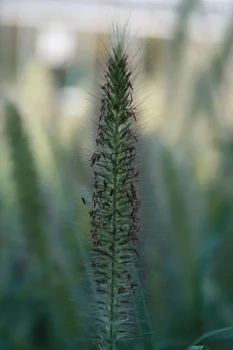
Chinese fountaingrass (Pennisetum alopecuroides) is a clump-forming perennial grass that creates beautiful arching mounds of foliage topped with distinctive bottlebrush-like seed heads. Despite its common name suggesting Chinese origins, this grass is actually native to eastern Asia, including China, Korea, and Japan.
This non-native species has established itself in parts of the United States, currently growing wild in Arkansas, Illinois, New York, North Carolina, Ohio, and Pennsylvania. While it reproduces spontaneously in these areas, it’s not currently classified as invasive or noxious.
- Species observed
- No observations
The Visual Appeal
What makes Chinese fountaingrass so attractive to gardeners? Its fountain-like growth form creates a dramatic focal point that looks stunning both as a specimen plant and in mass plantings. The grass produces:
- Dense, medium-textured green foliage that forms graceful arching clumps
- Yellow flowers in mid-summer (though they’re not particularly showy)
- Brown seed heads that add autumn and winter interest
- Beautiful fall color that turns the entire plant into a golden spectacle
Mature plants typically reach about 3 feet in height with a similar spread, making them perfect for medium-sized garden spaces.
Where Does It Fit in Your Garden?
Chinese fountaingrass works wonderfully in contemporary and prairie-style landscapes. Its moderate growth rate means it won’t quickly outgrow its space, while its erect, bunching form provides excellent structure in perennial borders. The dense summer foliage offers privacy and screening, while the moderate winter porosity allows some light to filter through during dormancy.
This grass particularly shines in:
- Modern landscape designs
- Perennial borders as a textural element
- Mass plantings for dramatic effect
- As specimen plants in smaller gardens
Growing Conditions and Care
One of the biggest advantages of Chinese fountaingrass is its relatively low-maintenance nature. Here’s what you need to know about growing it successfully:
Sunlight: This grass is shade intolerant and requires full sun to thrive.
Soil: It adapts well to coarse and medium-textured soils but struggles in fine-textured, heavy soils. The pH should be between 5.0 and 7.0.
Water: Once established, it has medium drought tolerance and low moisture requirements, making it relatively water-wise.
Climate: Hardy in USDA zones 5-9, it can tolerate temperatures down to -18°F and needs a minimum of 160 frost-free days.
Planting and Maintenance
Chinese fountaingrass is routinely available from nurseries and garden centers, typically sold in containers. Spring is the ideal planting time, giving the grass a full growing season to establish before winter.
The grass has a slow regrowth rate after cutting, so timing your maintenance is important. Cut the entire plant back to about 6 inches in late winter or early spring before new growth begins. This annual haircut keeps the plant looking its best and prevents the center from becoming woody.
Propagation is possible through seed (which this plant produces abundantly) or by division, though the vegetative spread rate is slow.
Wildlife and Pollinator Considerations
As a wind-pollinated grass, Chinese fountaingrass offers limited benefits to pollinators compared to native flowering plants. While the data on specific wildlife benefits is limited, ornamental grasses in general can provide some habitat and food for birds through their seed heads.
A Word About Native Alternatives
While Chinese fountaingrass isn’t considered invasive, many gardeners prefer to support local ecosystems by choosing native plants. If you’re interested in similar ornamental grasses, consider researching native alternatives in your region that provide comparable aesthetic appeal while supporting local wildlife and pollinators.
The Bottom Line
Chinese fountaingrass offers gardeners a reliable, low-maintenance ornamental grass with excellent visual appeal and reasonable drought tolerance. Its graceful form and seasonal interest make it a solid choice for contemporary landscapes, though those focused on native gardening may want to explore indigenous alternatives. Whatever you choose, the key to success lies in providing full sun and well-drained soil – get those basics right, and you’ll enjoy years of graceful, swaying beauty in your garden.