Chinese Knotweed: Understanding This Non-Native Perennial
Chinese knotweed (Polygonum chinense) is one of those plants that might catch your eye with its delicate flowers and heart-shaped leaves, but there’s more to this perennial herb than meets the eye. If you’re considering adding it to your garden or have spotted it growing wild, here’s what you need to know about this non-native species.
What is Chinese Knotweed?
Chinese knotweed is a perennial forb – basically a non-woody plant that comes back year after year. It’s also known by its scientific synonym Persicaria chinensis, which you might see in some gardening references. This herbaceous plant lacks the woody stems of shrubs and trees, instead producing soft, green growth that dies back to ground level each winter before emerging again in spring.
Where Does It Grow?
Originally from East Asia, Chinese knotweed has made its way to Hawaii, where it has established itself as a naturalized species. This means it reproduces on its own in the wild without human intervention and has become part of the local flora, though it’s not native to the islands.
- Species observed
- No observations
What Does Chinese Knotweed Look Like?
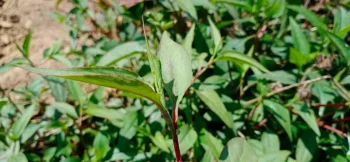
This sprawling perennial produces clusters of small white to pinkish flowers that bloom in terminal spikes at the ends of its stems. The heart-shaped leaves give it a somewhat romantic appearance, and the overall growth habit is spreading and somewhat aggressive. Don’t expect a tidy, compact plant – Chinese knotweed likes to roam!
Should You Plant Chinese Knotweed?
Here’s where things get a bit complicated. While Chinese knotweed isn’t officially listed as invasive, it is a non-native species with a tendency to spread aggressively. If you’re looking for similar characteristics in your garden, consider these native alternatives instead:
- Native wildflowers that provide ground cover
- Indigenous plants that support local pollinators
- Regional species adapted to your specific climate
If you do choose to grow Chinese knotweed, be prepared to manage its spreading habit and consider the impact on local ecosystems.
Growing Chinese Knotweed
Should you decide to grow this plant, you’ll find it’s remarkably adaptable and low-maintenance. Here’s what you need to know:
Growing Conditions
- Soil: Adapts to various soil types
- Water: Prefers consistently moist conditions
- Light: Full sun to partial shade
- Climate: Generally hardy in USDA zones 7-11
Planting and Care Tips
- Easy to establish once planted
- Requires minimal maintenance after establishment
- Be prepared to contain its spread if needed
- Regular monitoring recommended to prevent unwanted expansion
Benefits to Wildlife
The small flowers of Chinese knotweed do provide nectar for various pollinators, including bees and butterflies. However, native plants typically offer superior benefits to local wildlife, having evolved alongside regional species over thousands of years.
The Bottom Line
Chinese knotweed is an adaptable, low-maintenance perennial that can fill a niche in informal gardens or naturalized areas. However, as a non-native species with aggressive spreading tendencies, it’s worth considering native alternatives that will better support your local ecosystem. If you do choose to grow it, plant responsibly and monitor its spread to ensure it doesn’t escape cultivation.
Remember, the best garden choices are often those that work with nature rather than against it – and that usually means choosing plants that call your region home.