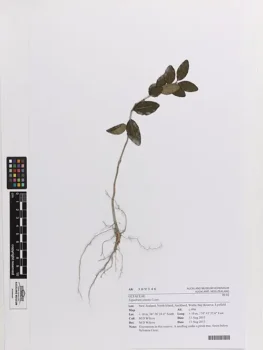
Chinese Privet: Why This Easy Shrub Isn’t Worth the Trouble
If you’ve been browsing nurseries or scrolling through garden websites, you might have come across Chinese privet (Ligustrum sinense) being marketed as a low-maintenance hedge plant. While it’s true that this shrub is incredibly easy to grow, there’s a catch that might make you want to look elsewhere for your landscaping needs.
What is Chinese Privet?
Chinese privet is a perennial shrub that typically grows 4-5 meters tall (13-16 feet), though it can get taller under the right conditions. This multi-stemmed woody plant produces clusters of small, white flowers in spring followed by dark purple berries. Originally from China and Southeast Asia, it has made itself quite at home across much of the United States.
You might also see it listed under its botanical synonyms Ligustrum microcarpum or Ligustrum villosum, but they’re all the same problematic plant.
Where Chinese Privet Grows
Chinese privet has spread across a huge swath of the United States, currently found in Alabama, Arkansas, Connecticut, Florida, Georgia, Hawaii, Kentucky, Louisiana, Maryland, Massachusetts, Mississippi, Missouri, New Jersey, North Carolina, Oklahoma, Rhode Island, South Carolina, Tennessee, Texas, Virginia, and Puerto Rico.
- Species observed
- No observations
The Problem with Chinese Privet
Here’s where things get complicated. Chinese privet isn’t just a non-native plant – it’s officially classified as invasive in several states:
- Alabama lists it as Category 1 invasive
- Missouri classifies it as Invasive (IPC)
- North Carolina considers it invasive
What does this mean for you as a gardener? Simply put, this plant is too good at what it does. It reproduces spontaneously in the wild, spreads aggressively, and can crowd out native plants that local wildlife depends on.
Growing Conditions and Hardiness
Chinese privet thrives in USDA hardiness zones 7-10 and is frustratingly adaptable. It tolerates:
- Both sun and shade
- Various soil types
- Drought conditions once established
- Different moisture levels (from upland to occasionally wet areas)
This adaptability is exactly why it becomes such a problem in natural areas.
Wildlife and Ecological Impact
While Chinese privet does provide some wildlife value – offering about 5-10% of the diet for large animals, small mammals, and terrestrial birds – it’s a poor substitute for native alternatives. The birds that eat its berries often spread the seeds, helping the plant invade new areas.
Why You Shouldn’t Plant Chinese Privet
Given its invasive status in multiple states and its aggressive spreading habit, we strongly recommend avoiding Chinese privet in your landscape. Even if it’s not yet classified as invasive in your specific area, planting it contributes to its spread and potentially creates problems for local ecosystems.
Better Native Alternatives
Instead of Chinese privet, consider these native alternatives that provide similar screening and hedge functions:
- American beautyberry (Callicarpa americana) for southern gardens
- Spicebush (Lindera benzoin) for shaded areas
- Native viburnums like arrowwood (Viburnum dentatum)
- Elderberry (Sambucus canadensis) for wildlife value
These native options will provide better support for local pollinators and wildlife while giving you the privacy and structure you’re looking for in your landscape.
The Bottom Line
While Chinese privet might seem like an easy solution for your landscaping needs, its invasive nature makes it a poor choice for responsible gardeners. Skip this one and opt for native alternatives that will serve your landscape goals while supporting local ecosystems. Your local wildlife – and your gardening neighbors – will thank you for it.