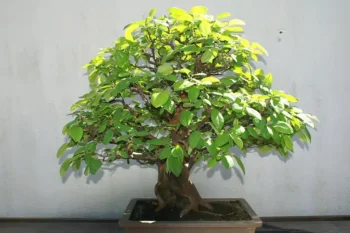
Chinese Quince: A Fragrant Non-Native Option for Your Garden
If you’re looking for a tree that delivers both spring beauty and fall fragrance, Chinese quince (Pseudocydonia sinensis) might catch your eye. This non-native shrub brings a unique combination of ornamental flowers and aromatic fruits to gardens, though as responsible gardeners, we should always consider native alternatives first.
What is Chinese Quince?
Chinese quince is a perennial shrub that typically grows as a multi-stemmed woody plant, usually reaching 13 to 16 feet in height, though it can grow taller under the right conditions. Originally from central and eastern China, this member of the rose family has made its way to gardens in California, where it reproduces spontaneously in the wild.
You might also see this plant listed under its synonyms Chaenomeles sinensis or Cydonia sinensis in older gardening references, but Pseudocydonia sinensis is the current accepted botanical name.
Where Does Chinese Quince Grow?
In the United States, Chinese quince has established itself primarily in California. As a non-native species that reproduces without human intervention, it’s adapted well to the Mediterranean-like climate of the Golden State.
- Species observed
- No observations
The Appeal: Why Gardeners Choose Chinese Quince
Chinese quince offers several attractive features that draw gardeners:
- Spring flowers: Fragrant pink or white blossoms appear before the leaves emerge, creating a stunning early season display
- Fall fruits: Large, golden-yellow fruits (4-6 inches long) fill the air with an incredible fragrance
- Pollinator support: Spring flowers attract bees and other beneficial insects
- Low maintenance: Once established, it’s quite drought tolerant
- Versatile use: Works as a specimen tree, in fruit gardens, or Asian-themed landscapes
Growing Conditions and Care
Chinese quince is surprisingly adaptable and relatively easy to grow:
- Hardiness: Thrives in USDA zones 6-9
- Sun requirements: Needs full sun for best flowering and fruiting
- Soil needs: Tolerates various soil types but prefers well-drained conditions
- Water requirements: Drought tolerant once established, but benefits from occasional deep watering
- Maintenance: Requires minimal pruning
Planting and Care Tips
For successful Chinese quince growing:
- Plant in spring or fall when temperatures are moderate
- Choose a location with full sun and good air circulation
- Water regularly during the first growing season to establish roots
- Mulch around the base to retain moisture and suppress weeds
- Fruits are ready for harvest when they turn golden and become highly aromatic
A Word About Native Alternatives
While Chinese quince isn’t considered invasive, choosing native plants is always the most ecologically responsible option. If you’re drawn to the spring flowers and fall interest of Chinese quince, consider these native alternatives:
- Wild plum species (Prunus americana or Prunus subcordata)
- Serviceberry (Amelanchier species)
- Native crabapples (Malus species native to your region)
The Bottom Line
Chinese quince can be a lovely addition to gardens in suitable climates, offering fragrant flowers, aromatic fruits, and relatively easy care. However, as mindful gardeners, we should always prioritize native plants that support local ecosystems. If you do choose to grow Chinese quince, enjoy its unique qualities while also incorporating native species that truly belong in your local landscape.