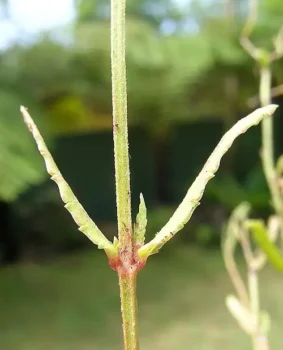
Chinese Raspwort: A Little-Known Non-Native Groundcover
If you’ve stumbled across the name Chinese raspwort while browsing plant databases or wandering through naturalized areas in California or Hawaii, you might be wondering what exactly this modest little plant is all about. Scientifically known as Gonocarpus chinensis, this perennial forb is one of those under-the-radar species that quietly goes about its business without much fanfare.
What is Chinese Raspwort?
Chinese raspwort is a low-growing perennial forb, which is just a fancy way of saying it’s a non-woody herbaceous plant that comes back year after year. Unlike shrubs or trees, this plant lacks significant woody tissue and keeps its growing points (those crucial buds that ensure next year’s growth) at or below ground level. It’s a member of the water milfoil family, though don’t let that fool you into thinking it’s purely aquatic.
Native Status and Distribution
Here’s where things get interesting – Chinese raspwort isn’t actually native to North America. As its common name suggests, this plant originally hails from Asia. However, it has established itself as a naturalized resident in both California and Hawaii, where it reproduces on its own and persists without human intervention.
- Species observed
- No observations
While it’s considered non-native, Chinese raspwort isn’t currently classified as invasive or noxious in these regions, meaning it’s not actively causing ecological harm or outcompeting native species in problematic ways.
Growing Characteristics and Habitat
One of the more notable things about Chinese raspwort is its flexibility when it comes to moisture. In Hawaii, it’s classified as facultative in wetland status, which means it’s equally happy in wet or dry conditions – a pretty handy trait for a plant trying to make it in diverse environments.
This adaptability likely contributes to its ability to establish itself in various habitats, from wetland edges to drier upland areas.
Should You Grow Chinese Raspwort?
Here’s the thing about Chinese raspwort – while it’s not causing ecological problems, there’s also not a compelling reason to actively seek it out for your garden. With limited information available about its ornamental value, growth habits, or care requirements, it falls into that category of plants that exist rather than plants you really want.
Native Alternatives to Consider
If you’re interested in low-growing groundcovers or plants that can handle variable moisture conditions, consider these native alternatives instead:
- For California gardens: Native sedges, wild strawberry (Fragaria species), or native mint species
- For Hawaiian gardens: Native ferns, indigenous grasses, or endemic groundcovers appropriate to your specific island and elevation
The Bottom Line
Chinese raspwort represents one of those botanical curiosities that reminds us how plants move around the world and establish themselves in new places. While it’s not problematic enough to warrant removal efforts, it’s also not remarkable enough to warrant cultivation. If you encounter it in the wild, you can appreciate it as an example of plant adaptability, but for your garden, you’ll probably find more rewarding options among your region’s native flora.
Remember, when choosing plants for your landscape, native species typically offer the best benefits for local wildlife, require less maintenance once established, and contribute to the ecological integrity of your region. Your local native plant society or extension office can help you discover the wonderful world of plants that truly belong in your area.