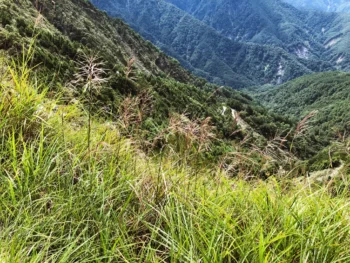
Chinese Silvergrass: A Beautiful But Problematic Ornamental Grass
Chinese silvergrass (Miscanthus sinensis) might catch your eye with its graceful, feathery plumes swaying in the breeze, but before you fall head over heels for this ornamental grass, there’s something important you need to know. While undeniably beautiful, this Asian native has become a bit of a troublemaker in North American gardens and wild spaces.
What Is Chinese Silvergrass?
Chinese silvergrass is a perennial bunch grass that originally hails from East Asia. This tall, clumping grass can reach impressive heights of up to 5 feet, creating dramatic vertical interest in the landscape. It’s known for its moderate growth rate and long lifespan, making it seem like the perfect low-maintenance addition to any garden.
The grass produces inconspicuous yellow flowers in early summer, followed by brown seeds that persist through fall and winter. Its green foliage turns conspicuous in fall, adding seasonal interest to the garden. The plant has a dense summer foliage that becomes more moderate in winter porosity.
The Problem: Invasive Tendencies
Here’s where things get complicated. While Chinese silvergrass was once widely planted as an ornamental, it has proven to be invasive in several states. It’s currently listed as invasive in Delaware and North Carolina, regulated in New Jersey, and on watch lists in Alabama and Connecticut. The grass spreads at a moderate rate through seeds, which can travel on the wind and establish new colonies far from the parent plant.
This means that what starts as a beautiful garden specimen can eventually escape cultivation and crowd out native plants in natural areas, disrupting local ecosystems.
Geographic Distribution and Spread
Chinese silvergrass has established populations across a wide range of states, from Alabama and California to Ontario, and everywhere from Colorado to the Eastern Seaboard. It’s found in states including Connecticut, Delaware, Florida, Georgia, Illinois, Kentucky, Louisiana, Maryland, Massachusetts, Michigan, Mississippi, Missouri, New Jersey, New York, North Carolina, Ohio, Pennsylvania, Rhode Island, South Carolina, Tennessee, Virginia, and West Virginia.
- Species observed
- No observations
Growing Conditions and Hardiness
If you’re still considering planting Chinese silvergrass despite its invasive status, it’s worth understanding its growing preferences. This adaptable grass thrives in USDA hardiness zones 4-9 and tolerates a wide range of conditions:
- Soil types: Adapts to coarse, medium, and fine-textured soils
- pH range: 4.6 to 7.5
- Sunlight: Intolerant of shade, needs full sun
- Water: Medium moisture requirements with medium drought tolerance
- Temperature: Can withstand temperatures as low as -18°F
The grass prefers upland sites and rarely occurs in wetlands across most regions, though it can occasionally be found in wetland areas in some western regions.
Aesthetic Appeal and Landscape Role
Chinese silvergrass undeniably has ornamental appeal. Its erect, bunch-like growth form creates excellent vertical structure, while its feathery seed heads provide movement and texture. The grass works well as a specimen plant, privacy screen, or backdrop for other plantings. Its fall color and persistent seed heads offer multi-season interest.
However, given its invasive potential, its aesthetic benefits simply don’t outweigh the ecological risks.
Wildlife and Pollinator Benefits
As a wind-pollinated grass, Chinese silvergrass offers limited benefits to pollinators. It doesn’t provide the nectar and pollen resources that native flowering plants offer to bees, butterflies, and other beneficial insects.
Our Recommendation: Choose Native Alternatives Instead
Given Chinese silvergrass’s invasive status in multiple states and its potential to escape cultivation, we strongly recommend against planting it. The ecological risks simply aren’t worth the aesthetic benefits, especially when there are excellent native alternatives available.
Consider these native grass alternatives that offer similar ornamental appeal without the invasive baggage:
- Big bluestem (Andropogon gerardii)
- Little bluestem (Schizachyrium scoparium)
- Switch grass (Panicum virgatum)
- Indian grass (Sorghastrum nutans)
These native grasses provide excellent wildlife habitat, support native pollinators and birds, and offer beautiful seasonal interest without threatening local ecosystems.
If You Already Have It
If Chinese silvergrass is already established in your garden, consider removing it and replacing it with native alternatives. If removal isn’t immediately possible, prevent it from spreading by cutting off seed heads before they mature and disperse.
Remember, responsible gardening means thinking beyond our property lines to consider the broader impact of our plant choices on local ecosystems. When it comes to Chinese silvergrass, the most beautiful choice is often the native alternative.