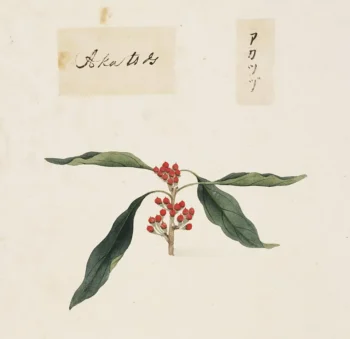
Chinese Soapberry: A Unique Non-Native Tree with Interesting History
If you’re looking for a conversation starter in your landscape, the Chinese soapberry (Sapindus mukorossi) might just fit the bill. This fascinating tree has quite the story to tell, from its soap-making heritage to its ability to naturalize in unexpected places. But before you rush to plant one, let’s dive into what makes this tree tick and whether it deserves a spot in your garden.
What Exactly Is a Chinese Soapberry?
The Chinese soapberry is a deciduous tree that can grow impressively tall – we’re talking 13 to 16 feet or more under the right conditions. As a perennial woody plant with a single trunk, it’s built to last and make a statement in any landscape where it has room to spread its branches.
True to its name, this tree hails from Asia, not North America. It’s what botanists call a non-native species that has found its way to our shores and decided to make itself at home. In fact, it’s established itself well enough to reproduce on its own in the wild, particularly in Georgia where it’s been documented growing freely.
- Species observed
- No observations
The Soapberry’s Claim to Fame
Here’s where things get interesting – this tree earned its soapberry nickname honestly. The golden berries it produces contain natural saponins, which are soap-like compounds that have been used for centuries in traditional cleaning practices. While you probably won’t be doing your laundry with soapberries anytime soon, it’s a fun bit of natural history that adds character to this already unique tree.
Garden Appeal and Landscape Role
From a purely aesthetic standpoint, the Chinese soapberry offers several seasons of interest:
- Compound leaves that create dappled shade
- Clusters of small, yellowish-white flowers that appear in late spring to early summer
- Golden berries that persist well into winter, providing visual interest when other plants have gone dormant
- A substantial presence that works well as a specimen tree in large landscapes
This tree thrives in full sun to partial shade and, once established, shows good drought tolerance. It’s hardy in USDA zones 8-10, making it suitable for warmer climates where it won’t be stressed by harsh winters.
The Pollinator Connection
While the Chinese soapberry may not be native, its flowers do provide nectar for bees and other small pollinators during its blooming period. Every little bit helps when it comes to supporting our pollinator friends, though native alternatives will always provide more specialized benefits for local ecosystems.
Growing Chinese Soapberry Successfully
If you decide to grow a Chinese soapberry, here’s what you need to know:
- Planting: Spring is the ideal time to plant, giving the tree a full growing season to establish before winter
- Soil: Well-drained soil is essential – this tree doesn’t appreciate wet feet
- Water: Provide regular watering during the first year or two, then step back as it becomes drought-tolerant
- Space: Give it plenty of room to grow – this isn’t a tree for small yards
- Maintenance: Minimal pruning needed, just remove dead or damaged branches as needed
Should You Plant One?
The Chinese soapberry presents an interesting case study in non-native plants. While it’s not currently flagged as invasive, it is capable of naturalizing and spreading on its own. For most gardeners, especially those interested in supporting native ecosystems, there are better choices available.
Consider native alternatives like:
- American basswood for shade and pollinator benefits
- Southern magnolia for evergreen presence and showy flowers
- Bald cypress for unique texture and adaptability
However, if you’re drawn to the Chinese soapberry’s unique characteristics and have a large space where it can be properly contained and managed, it can be an interesting addition to a diverse landscape. Just be mindful of its non-native status and potential to spread beyond your intended planting area.
The Bottom Line
The Chinese soapberry is undeniably interesting – from its soap-making berries to its ability to thrive in challenging conditions. While it won’t be the right choice for every garden or every gardener, understanding what it offers (and what it doesn’t) helps you make an informed decision. Whether you choose to plant one or opt for a native alternative, the most important thing is choosing trees that fit your space, your goals, and your local ecosystem’s needs.