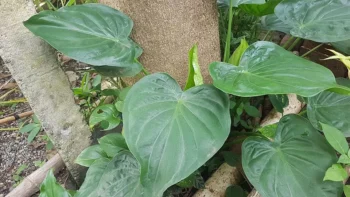
Chinese Taro: A Tropical Beauty for Your Garden
If you’re dreaming of adding some tropical flair to your garden, Chinese taro (Alocasia cucullata) might have caught your eye. This striking plant, with its bold heart-shaped leaves and glossy green appearance, certainly knows how to make a statement. But before you rush to add it to your shopping cart, let’s dig into what makes this plant tick and whether it’s the right fit for your garden.
What Exactly is Chinese Taro?
Chinese taro is a member of the Alocasia family, known for their dramatic foliage and tropical appeal. Don’t let the name fool you though – while it’s called Chinese taro, this isn’t the same as the edible taro you might find in Asian cuisine. This beauty is all about the looks, sporting large, heart-shaped leaves that can add instant jungle vibes to any space.
Where Does Chinese Taro Come From?
Originally hailing from Southeast Asia, particularly China and surrounding regions, Chinese taro has made itself at home in various tropical locations. In the United States, you’ll find it growing in Guam, Palau, and some U.S. Minor Outlying Islands. It’s worth noting that this plant is considered non-native in these areas, having been introduced and now reproducing on its own in the wild throughout the Pacific Basin (though not in Hawaii).
- Species observed
- No observations
The Good, The Bad, and The Beautiful
Let’s be honest about what you’re getting into with Chinese taro:
- The stunning factor: Those glossy, heart-shaped leaves are absolutely gorgeous and create an instant tropical paradise feel
- Versatility: Works great as a container plant, houseplant, or garden specimen
- Low pollinator value: While beautiful, it doesn’t offer much for bees, butterflies, or other beneficial insects
- Non-native status: Since it’s not native to U.S. territories where it’s found, it won’t support local ecosystems like native plants would
Growing Chinese Taro Successfully
If you decide to grow Chinese taro, here’s how to keep it happy:
Climate and Hardiness
Chinese taro is a warm-weather lover, thriving in USDA hardiness zones 9-11. If you live somewhere that gets frost, you’ll want to treat this as a container plant that can come indoors for winter, or simply enjoy it as an annual.
Light and Location
Think dappled sunlight under a canopy – that’s this plant’s sweet spot. Partial shade works best, as too much direct sun can scorch those beautiful leaves. It has a facultative upland status, meaning it usually prefers non-wetland conditions but can tolerate some moisture.
Soil and Water
Well-draining soil that stays consistently moist (but not soggy) is key. Chinese taro appreciates regular watering and high humidity – if you’re growing it indoors, consider placing it near a humidifier or on a pebble tray filled with water.
Care Tips
- Keep soil evenly moist but never waterlogged
- Provide bright, indirect light
- Maintain warm temperatures (above 60°F)
- Watch for common houseplant pests like spider mites and aphids
Should You Plant Chinese Taro?
Here’s the thing – Chinese taro can be a beautiful addition to your plant collection, especially if you’re going for that lush, tropical look. However, since it’s non-native and doesn’t provide benefits to local wildlife, you might want to consider some native alternatives first.
If you’re set on growing Chinese taro, go for it! Just be mindful of its care requirements and consider balancing your garden with native plants that support local ecosystems. Think of it as the exotic friend in your plant family – beautiful and interesting, but not necessarily the one doing the heavy lifting for your local environment.
The Bottom Line
Chinese taro is undeniably gorgeous and can thrive with the right care. While it won’t win any awards for supporting local wildlife, it can certainly win your heart with its stunning foliage. Just remember to research native alternatives for your area that might give you similar tropical vibes while supporting your local ecosystem – your garden (and the local critters) will thank you for the variety!