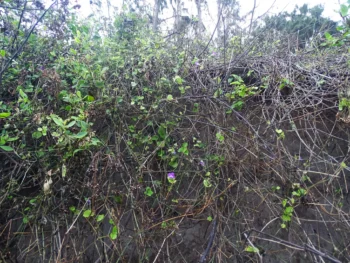
Chinese Violet: A Tropical Climber for Warm-Climate Gardens
Meet the Chinese violet (Asystasia gangetica), a charming tropical perennial that’s been making its way into gardens across America’s warmest regions. While its name might suggest delicate blooms, this hardy climber brings a splash of purple to landscapes with surprisingly little fuss.
What Exactly Is Chinese Violet?
Chinese violet, also known as asytasia coromande, is a twining and climbing perennial with relatively long stems that can be either woody or herbaceous. Don’t let the scientific synonyms Asystasia coromandeliana or Justicia gangetica confuse you – they’re all referring to the same adaptable plant that’s native to tropical Asia.
This non-native species has established itself across several U.S. territories and states, reproducing naturally without human intervention. You’ll find it thriving in Florida, Hawaii, Guam, Palau, Puerto Rico, the U.S. Minor Outlying Islands, and the Virgin Islands.
- Species observed
- No observations
The Good, The Bad, and The Beautiful
Chinese violet offers several appealing qualities for gardeners in suitable climates:
- Attractive small purple to violet tubular flowers that bloom regularly
- Heart-shaped leaves that create lush green coverage
- Versatile growth habit – works as ground cover or climbing plant
- Relatively low maintenance once established
- Attracts butterflies and small bees to the garden
However, there are some considerations to keep in mind. As a non-native species that readily naturalizes, Chinese violet can spread more aggressively than you might expect. While it’s not currently classified as invasive, its ability to reproduce spontaneously means you’ll want to monitor its growth.
Growing Conditions and Care
Chinese violet is surprisingly adaptable, but it does have some preferences:
- Climate: Thrives in USDA hardiness zones 9-11; frost will damage or kill the plant
- Light: Partial shade to full sun, though it appreciates some afternoon shade in the hottest climates
- Soil: Well-draining soil with consistent moisture
- Water: Regular watering, but avoid waterlogged conditions
In terms of wetland tolerance, Chinese violet typically prefers upland conditions. In most regions, it almost never occurs naturally in wetlands, though in Hawaii it may occasionally be found in wetter areas.
Planting and Maintenance Tips
Getting Chinese violet established is generally straightforward:
- Plant after the last frost in spring
- Provide support structures if you want it to climb
- Water regularly during the first growing season
- Prune occasionally to control spread and maintain shape
- Monitor for aggressive spreading and remove unwanted growth
The plant’s climbing nature makes it suitable for trellises, fences, or as a ground cover in tropical and subtropical garden settings. It works particularly well in container gardens where its spread can be controlled.
Should You Plant Chinese Violet?
Chinese violet can be an attractive addition to warm-climate gardens, especially for gardeners looking for a low-maintenance flowering climber. However, since it’s not native to North America, consider exploring native alternatives that provide similar benefits while supporting local ecosystems.
Some native alternatives to consider include wild bergamot for butterfly attraction, native passion vines for climbing coverage, or regional native ground covers that offer similar aesthetic appeal while supporting local wildlife.
If you do choose to grow Chinese violet, be prepared to manage its growth and prevent it from escaping into natural areas. With proper care and attention, it can be an enjoyable addition to the right garden setting.