Chinese Water Chestnut: An Unusual Aquatic Food Plant for Your Water Garden
Looking to add something truly unique to your water garden? Meet the Chinese water chestnut (Eleocharis dulcis), a fascinating aquatic plant that’s been feeding people for thousands of years. Don’t let the name fool you – this isn’t actually a nut or even related to chestnuts! It’s a sedge that produces crunchy, sweet tubers that add a delightful crunch to stir-fries and salads.
What Exactly Is Chinese Water Chestnut?
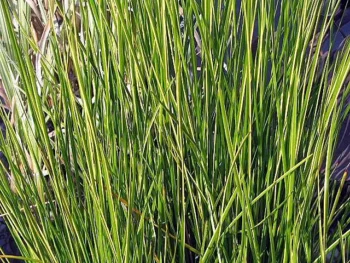
Chinese water chestnut is a perennial sedge that belongs to the grass-like plant family. Picture slender, bright green stems shooting up from the water like nature’s own drinking straws – that’s your Chinese water chestnut! These cylindrical stems can reach 2-4 feet tall and create an attractive, minimalist look in water features.
You might also see this plant listed under its botanical synonyms Eleocharis dulcus or Eleocharis tuberosa in some gardening references, but they’re all the same delicious plant.
Native Status and Where It Grows
Originally hailing from Asia, particularly China and Southeast Asia, Chinese water chestnut is considered a non-native species in the United States. Currently, it’s established in Georgia, Guam, and Palau, where it reproduces on its own in suitable wetland habitats.
- Species observed
- No observations
This plant has earned an Obligate Wetland status in the Eastern Mountains and Piedmont region, meaning it almost always needs to have its feet wet to thrive.
Should You Grow Chinese Water Chestnut?
Here’s the scoop: Chinese water chestnut can be a rewarding addition to your garden if you have the right conditions and interests. Here’s why you might want to try it:
- Produces edible, crunchy tubers that taste like a cross between an apple and a potato
- Adds interesting vertical texture to water gardens
- Thrives in conditions where many other plants struggle
- Can be a conversation starter – how many people grow their own water chestnuts?
However, since it’s not native to most of the United States, consider exploring native wetland alternatives like native sedges (Carex species), wild rice (Zizania species), or arrowhead (Sagittaria species) that provide similar aesthetic appeal while supporting local ecosystems.
Perfect Garden Settings
Chinese water chestnut is tailor-made for:
- Water gardens and ornamental ponds
- Bog gardens and rain gardens
- Aquatic food gardens
- Wetland restoration projects (where appropriate)
- Container water gardens
Growing Conditions and Hardiness
This warmth-loving plant thrives in USDA hardiness zones 9-11, making it suitable for southern climates and frost-free areas. It needs:
- Full sun to partial shade
- Consistently moist to flooded soil or shallow water
- Warm temperatures – it won’t tolerate frost
- Rich, organic soil or pond sediment
Planting and Care Tips
Ready to give Chinese water chestnut a try? Here’s your game plan:
Planting: Start with tubers (not seeds) in spring after the last frost. Plant them about 2-4 inches deep in containers or directly in pond sediment. If using containers, submerge them 2-6 inches below the water surface.
Care: Once established, Chinese water chestnut is fairly low-maintenance. Keep the water level consistent and provide occasional fertilizer during the growing season. In colder zones, you’ll need to treat it as an annual or bring containers indoors for winter.
Harvesting: The fun part! Harvest tubers in fall before the first frost. Gently dig or feel around in the mud for the marble-sized treasures – they’re usually found within a foot of the parent plant.
Wildlife and Pollinator Benefits
While Chinese water chestnut doesn’t offer significant benefits to native pollinators (its flowers are small and wind-pollinated), it can provide habitat for aquatic insects and shelter for small fish in water garden settings.
The Bottom Line
Chinese water chestnut is an intriguing option for adventurous water gardeners, especially those interested in growing their own food. While it’s not native, it’s not currently listed as invasive either. If you decide to grow it, do so responsibly and consider pairing it with native aquatic plants to create a more balanced ecosystem in your water garden.
Whether you’re drawn to its unique culinary potential or its striking architectural form, Chinese water chestnut can add an element of surprise to the right garden setting. Just remember – this is one plant that truly needs to keep its feet wet!