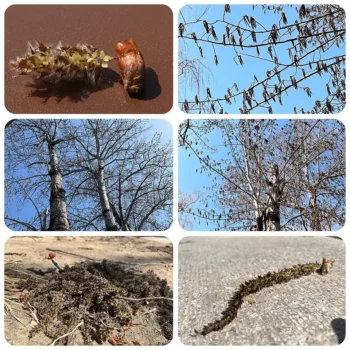
Chinese White Poplar: A Majestic Shade Tree for Spacious Landscapes
If you’re looking for a fast-growing shade tree that makes a dramatic statement in large landscapes, the Chinese white poplar (Populus tomentosa) might catch your eye. This impressive deciduous tree brings unique character to any space it graces, though it’s definitely not a plant for small gardens or those seeking native species.
What is Chinese White Poplar?
Chinese white poplar is a large, perennial tree that typically grows as a single-stemmed specimen reaching heights greater than 13-16 feet, though mature trees can tower much higher. As its name suggests, this species originally hails from northern China, particularly around the Beijing region. It’s considered a non-native plant that has established itself in parts of the United States, currently documented in Louisiana, where it reproduces naturally without human intervention.
- Species observed
- No observations
Why Consider (or Reconsider) This Tree?
Chinese white poplar offers some compelling features that make it attractive to certain gardeners:
- Fast growth rate means quick shade and landscape impact
- Impressive mature size of 50-80 feet tall and 40-60 feet wide
- Distinctive silvery appearance when wind moves the fuzzy, white undersides of leaves
- Adaptable to various soil conditions
- Hardy in USDA zones 4-8
However, there are important considerations before planting. As a non-native species, it doesn’t provide the same ecological benefits as native trees. Its massive size also means it’s only suitable for very large properties, parks, or estate-style landscapes.
Growing Conditions and Care
If you decide this tree fits your landscape needs, here’s what it requires to thrive:
Light and Location: Chinese white poplar performs best in full sun locations with plenty of room to spread. Remember, this tree can reach 40-60 feet wide at maturity!
Soil Requirements: While adaptable to various soil types, it prefers moist, well-drained soil. It can tolerate different pH levels but thrives in moderately fertile conditions.
Planting Tips: Plant young trees in spring or fall, ensuring adequate space from structures, power lines, and other plants. Water regularly during the establishment period, typically the first 2-3 years.
Ongoing Care: Prune for shape and structure when young. Remove any damaged or crossing branches. Once established, these trees are relatively low-maintenance but benefit from occasional deep watering during dry spells.
Landscape Role and Design Considerations
Chinese white poplar works best as a specimen tree in large, open spaces where its size won’t overwhelm the landscape. It can serve as an effective windbreak or provide substantial shade for large outdoor areas. The silvery flash of its leaves in the breeze adds movement and visual interest to the garden.
However, its role as a pollinator plant is limited since it’s wind-pollinated rather than insect-pollinated. While it may provide some habitat value, native alternatives would better support local wildlife ecosystems.
Consider Native Alternatives
Before choosing Chinese white poplar, consider these native options that provide similar benefits while supporting local ecosystems:
- Eastern cottonwood (Populus deltoides) – Another large, fast-growing poplar native to North America
- American sycamore (Platanus occidentalis) – Provides substantial shade with interesting bark
- Tulip tree (Liriodendron tulipifera) – Fast-growing native with unique flowers
The Bottom Line
Chinese white poplar can be a stunning addition to very large landscapes where space isn’t an issue and where its non-native status isn’t a concern. Its fast growth and impressive mature size make it appealing for those seeking quick results. However, gardeners interested in supporting native ecosystems and local wildlife would be better served by choosing native alternatives that provide similar aesthetic appeal while offering greater ecological benefits.
Whatever you choose, make sure you have the space – this is definitely a tree that needs room to shine!