Chinese Yellowcress: A Non-Native Wetland Plant Worth Knowing About
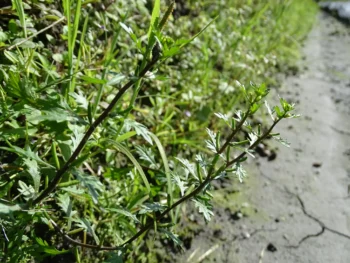
If you’ve ever stumbled across a small, unassuming plant with tiny white flowers growing near water, you might have encountered Chinese yellowcress (Rorippa cantoniensis). This perennial forb has quietly made itself at home in several U.S. states, though it’s far from its original Asian homeland.
What Exactly is Chinese Yellowcress?
Chinese yellowcress is a non-native perennial that belongs to the mustard family. You might also see it listed under its scientific synonyms Nasturtium microspermum or Rorippa microsperma in older gardening references. As a forb, it’s essentially an herbaceous plant without any significant woody growth above ground – think of it as the plant world’s equivalent of keeping things simple and low-maintenance.
Where You’ll Find It Growing
Originally from East Asia, Chinese yellowcress has established populations in Hawaii, Rhode Island, and Wisconsin. It’s one of those plants that reproduces on its own in the wild and tends to stick around once it gets comfortable in an area.
- Species observed
- No observations
Should You Plant Chinese Yellowcress?
Here’s where things get interesting. While Chinese yellowcress isn’t currently listed as invasive or noxious, it’s also not doing any particular favors for local ecosystems since it’s not native. If you’re drawn to its modest charm, you might want to consider these factors:
- It prefers consistently moist to wet soils
- The small white four-petaled flowers provide limited but genuine aesthetic appeal
- It can serve as ground cover in water gardens or bog areas
- Its pollinator benefits are modest – mainly attracting small flies and beetles
Growing Conditions and Care
If you do decide to grow Chinese yellowcress, it’s relatively straightforward. This plant thrives in USDA hardiness zones 5-9 and has some specific preferences:
- Moisture: Consistent moisture is non-negotiable – think bog garden conditions
- Light: Full sun to partial shade works well
- Soil: Any soil type, as long as it stays moist
- Maintenance: Minimal care required once established
Better Native Alternatives
While Chinese yellowcress won’t cause ecological havoc, choosing native alternatives will better support local wildlife and ecosystems. Consider these native options for similar growing conditions:
- Wild bergamot (Monarda fistulosa) for pollinator appeal
- Cardinal flower (Lobelia cardinalis) for wet areas with stunning red blooms
- Blue flag iris (Iris versicolor) for water garden elegance
- Swamp milkweed (Asclepias incarnata) for butterfly support
The Bottom Line
Chinese yellowcress is neither a garden villain nor a superstar – it’s simply a quiet, undemanding plant that’s found its niche in American landscapes. While it won’t harm your garden or local ecosystems in any dramatic way, choosing native plants will always give you more bang for your gardening buck in terms of supporting local wildlife and creating truly sustainable landscapes.
If you’re specifically looking for a low-maintenance ground cover for consistently wet areas and Chinese yellowcress appeals to you, it can certainly fill that role. Just remember that native alternatives will offer greater ecological benefits while often providing more spectacular seasonal interest too.