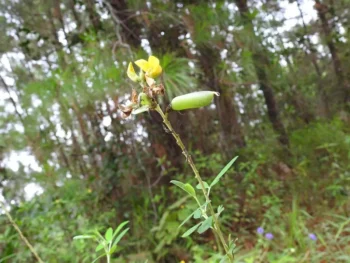
Chipilín: A Tropical Legume with Golden Blooms
Meet chipilín (Crotalaria cajanifolia), a charming tropical plant that’s been quietly winning hearts in warm-climate gardens. This lesser-known member of the legume family brings both beauty and function to the landscape, though it might not be the right fit for every garden situation.
What’s in a Name?
Chipilín goes by several names depending on where you encounter it. You might hear it called chipilín de zope or chipilín montés in different regions. Botanically speaking, it’s had a bit of an identity crisis over the years, previously known as Crotalaria eriocarpa and Crotalaria guatemalensis before settling on its current name.
Where Does Chipilín Come From?
This sunny little plant calls Central America and southern Mexico home, where it thrives in the warm, tropical climate. In its native range, it’s often found growing wild in disturbed areas and along roadsides, showing off its adaptable nature.
What Makes Chipilín Special?
Chipilín brings a delightful combination of features to the garden:
- Bright yellow, pea-like flowers that seem to glow in the sunlight
- Attractive compound leaves that add texture to plantings
- Upright growth habit that works well as a backdrop or filler plant
- Nitrogen-fixing abilities that can benefit neighboring plants
Garden Role and Design Potential
In the right climate, chipilín can play several roles in your landscape design. Its cheerful yellow blooms make it a natural choice for butterfly gardens, while its legume status means it’s actually improving your soil while it grows. The plant works well in informal cottage garden settings or as part of an ethnobotanical collection.
Growing Chipilín Successfully
If you’re in USDA zones 9-11, you might have luck with chipilín. Here’s what this tropical beauty needs to thrive:
Ideal Growing Conditions
- Full sun exposure for best flowering
- Well-draining soil (it doesn’t like wet feet)
- Warm temperatures year-round
- Protection from frost and freezing temperatures
Planting and Care Tips
- Start from seeds, which can be direct sown in warm weather
- Water regularly but avoid overwatering
- No special fertilizing needed thanks to its nitrogen-fixing abilities
- Deadhead spent flowers to encourage more blooms
Pollinator and Wildlife Benefits
The bright yellow flowers are like little landing pads for bees and butterflies. If you’re trying to create a pollinator-friendly space in a tropical garden, chipilín can be a valuable addition to your plant palette.
Should You Grow Chipilín?
Here’s the honest truth: chipilín can be a lovely addition to warm-climate gardens, but it’s not native to most of North America. While it doesn’t appear to be invasive, you might want to consider native alternatives first. If you’re in the southern United States, look into native Crotalaria species or other indigenous legumes that can provide similar benefits while supporting local ecosystems.
That said, if you’re passionate about ethnobotanical gardening, live in an appropriate climate zone, and want to try something different, chipilín could be an interesting experiment. Just remember that this tropical plant won’t survive freezing temperatures, so northern gardeners would need to treat it as an annual or container plant.
The Bottom Line
Chipilín is one of those plants that has its place in the right garden. It’s not going to be everyone’s cup of tea, but for gardeners in warm climates who appreciate unique flowering legumes, it offers an interesting alternative to more common choices. Just make sure you can provide the tropical conditions it craves, and consider whether a native plant might better serve your local ecosystem’s needs.