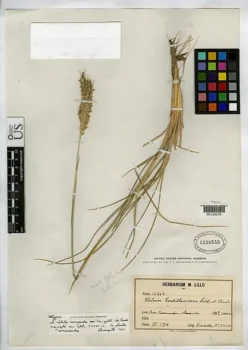
Chloris castilloniana: An Enigmatic Grass Worth Investigating
If you’ve stumbled across the name Chloris castilloniana in your plant research, you’re not alone in wondering what exactly this mysterious grass is all about. This lesser-known species belongs to the Chloris genus, which includes various windmill grasses, but information about this particular species is surprisingly scarce in gardening and botanical literature.
What We Know About Chloris castilloniana
Chloris castilloniana falls into the monocot family, specifically classified as a grass or grass-like plant. This puts it in the same broad category as familiar lawn grasses, ornamental grasses, sedges, and rushes. However, beyond this basic classification, concrete details about this species remain elusive.
The name suggests it may be related to other Chloris species, commonly known as windmill grasses, which are characterized by their distinctive finger-like seed heads that resemble tiny windmills. But without more specific information, we can’t assume Chloris castilloniana shares all the same traits as its better-known relatives.
The Information Gap Challenge
Here’s where things get interesting (and a bit frustrating for curious gardeners): reliable information about Chloris castilloniana’s native range, growing requirements, and garden performance is remarkably limited. This could mean several things:
- It might be a very localized or rare species
- It could be a recently described or reclassified plant
- The name might refer to a subspecies or variety that’s not widely recognized
- It may have limited ornamental value or cultivation history
A Cautious Approach to Growing Unknown Species
Without clear information about Chloris castilloniana’s native status, invasive potential, or specific growing needs, the responsible approach is to proceed with caution. If you’re considering this plant for your garden, here are some wise steps to take:
- Verify the plant’s identity with local botanical experts or extension services
- Research its native range and confirm it’s appropriate for your region
- Check with local native plant societies for any known information
- Consider well-documented native grass alternatives instead
Better-Known Native Grass Alternatives
While the mystery of Chloris castilloniana remains unsolved, there are plenty of well-documented native grasses that could fill whatever role you had in mind. Consider researching these proven performers instead:
- Little bluestem (Schizachyrium scoparium) for prairie gardens
- Buffalo grass (Poaceae dactyloides) for low-maintenance lawns
- Purple needlegrass (Stipa pulchra) for California gardens
- Switchgrass (Panicum virgatum) for rain gardens and wildlife habitat
The Bottom Line
Chloris castilloniana remains something of a botanical puzzle. Without solid information about its characteristics, native range, or garden performance, it’s difficult to recommend for home landscapes. Your gardening energy might be better spent exploring the many well-documented native grasses that can provide proven benefits for both your garden and local wildlife.
If you do encounter this species or have reliable information about it, consider sharing your findings with local botanical groups or native plant societies. Every piece of the puzzle helps build our understanding of regional flora and supports better gardening decisions for everyone.