Cinnamonspot Pondweed: An Aquatic Addition for Water Gardens
If you’re looking to add some underwater greenery to your pond or water garden, you might have come across cinnamonspot pondweed (Potamogeton oblongus). This perennial aquatic plant brings a unique charm to water features with its distinctive spotted leaves, though there are some important considerations before you dive in.
What is Cinnamonspot Pondweed?
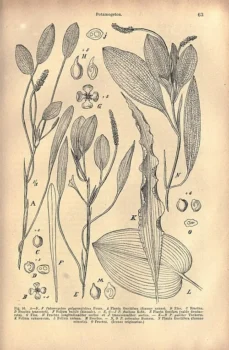
Cinnamonspot pondweed is a submerged aquatic perennial that belongs to the pondweed family. True to its name, this plant is easily recognized by the characteristic cinnamon-colored spots at the base of its oval floating leaves. As a forb (a non-woody plant), it grows entirely in water environments, making it a specialized addition to aquatic gardens.
You might also see this plant listed under its botanical synonym, Potamogeton polygonifolius, in some older gardening references.
Native Status and Distribution
Here’s where things get interesting – cinnamonspot pondweed isn’t actually native to North America. This European native has established itself in select locations across our continent, including Nova Scotia, New Jersey, and Newfoundland. While it reproduces on its own in these areas, it’s considered a non-native species that was introduced from its original home in Western Europe.
- Species observed
- No observations
Should You Plant Cinnamonspot Pondweed?
The decision to plant this aquatic species comes with some considerations. While it’s not currently listed as invasive or noxious, its non-native status means you might want to explore native pondweed alternatives first. Native aquatic plants are generally better choices because they:
- Support local wildlife and ecosystems
- Are adapted to local growing conditions
- Won’t potentially outcompete native species
That said, if you do choose to grow cinnamonspot pondweed, it can serve as an attractive aquatic plant for water gardens and natural pond settings.
Growing Conditions and Care
As an obligate wetland plant, cinnamonspot pondweed absolutely requires water to thrive – you won’t find this one growing in regular garden beds! It’s perfectly adapted to aquatic life and needs specific conditions:
- Water depth: Shallow to moderately deep water (1.5 to 6 feet deep)
- Light requirements: Full sun to partial shade
- Water conditions: Prefers acidic to neutral pH
- Hardiness: Suitable for USDA zones 4-8
Planting and Maintenance
Getting cinnamonspot pondweed established is relatively straightforward if you have the right aquatic setup:
- Plant in containers filled with aquatic soil or heavy clay
- Submerge containers at the appropriate depth in your pond or water garden
- Ensure adequate water circulation
- Once established, this perennial requires minimal maintenance
The plant will produce small, inconspicuous flowers above the water surface, though these aren’t particularly showy and offer limited benefits to pollinators compared to other aquatic flowering plants.
Landscape Role and Design Ideas
Cinnamonspot pondweed works well in:
- Natural-style water gardens
- Wildlife ponds (though native alternatives might be preferable)
- Bog gardens with standing water
- Wetland restoration projects (use with caution due to non-native status)
The Bottom Line
While cinnamonspot pondweed can be an attractive addition to water features, consider exploring native pondweed species first. Native alternatives will provide similar aesthetic appeal while supporting local ecosystems and wildlife. If you do choose this European transplant, enjoy its unique spotted leaves and easy-care nature – just be mindful of its non-native heritage and consider it one option among many for your aquatic gardening adventures.