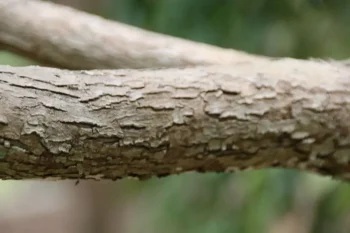
Ciruelas (Pseudanamomis umbellulifera): A Lesser-Known Shrub for Tropical Gardens
If you’ve stumbled across the name ciruelas in your plant research, you might be wondering what exactly this shrub brings to the table. Pseudanamomis umbellulifera, commonly known as ciruelas, is one of those plants that flies under the radar in most gardening circles—and there’s a good reason for that.
What Exactly Is Ciruelas?
Ciruelas is a perennial shrub that typically grows as a multi-stemmed woody plant, usually staying under 13 to 16 feet in height. Like many shrubs, it develops several stems from or near ground level, creating that classic bushy appearance we associate with shrub growth patterns.
You might also see this plant listed under its botanical synonym, Anamomis umbellulifera, which can add to the confusion when trying to research this somewhat mysterious species.
Where Does Ciruelas Come From?
Here’s where things get interesting—and a bit complicated. While ciruelas has established itself in Puerto Rico, where it reproduces on its own in the wild, it’s actually not native there. This shrub is what botanists call a naturalized species, meaning it was introduced but has successfully adapted to local conditions and now perpetuates itself without human intervention.
- Species observed
- No observations
The Challenge with Ciruelas
If you’re hoping for detailed growing guides and landscape design tips, you might be disappointed. Ciruelas falls into that category of plants that simply don’t have much documentation in horticultural literature. Information about its specific growing conditions, hardiness zones, aesthetic appeal, and garden applications is surprisingly scarce.
This lack of information presents both a challenge and an opportunity. While we can’t provide the usual detailed growing guide, it does mean you’d be venturing into relatively uncharted gardening territory if you choose to work with this species.
Should You Plant Ciruelas?
Since ciruelas isn’t listed as invasive or noxious, there’s no major red flag preventing you from growing it. However, the limited available information makes it difficult to recommend with confidence. Here are some considerations:
- Limited horticultural knowledge means unpredictable results
- Difficulty sourcing plants or seeds from reputable nurseries
- Unknown potential benefits to local wildlife or pollinators
- Unclear growing requirements and care needs
Consider Native Alternatives Instead
Given the uncertainties surrounding ciruelas and the fact that it’s not native to areas where it’s currently established, you might want to consider native shrub alternatives for your landscape. Native plants typically offer:
- Better support for local wildlife and pollinators
- Adaptation to local growing conditions
- More reliable horticultural information
- Greater availability from local nurseries
For gardeners in Puerto Rico, exploring native shrub species would likely provide better results and contribute more meaningfully to local ecosystems.
The Bottom Line
Ciruelas represents one of those plant mysteries that occasionally pop up in the gardening world—a species that exists and has established itself in certain locations, but hasn’t made its mark in mainstream horticulture. While there’s nothing stopping you from experimenting with this shrub if you can find it, the lack of growing information and its non-native status suggest that your gardening energy might be better invested elsewhere.
Sometimes the most sustainable and rewarding approach is to stick with well-documented native species that offer proven benefits to both your garden and the local environment. Your local extension office or native plant society can point you toward native shrub options that will thrive in your specific conditions while supporting the wildlife that calls your area home.