Growing Citron: The Ancient Fruit Tree for Modern Gardens
If you’ve ever wondered about growing something truly unique in your garden, meet the citron (Citrus medica) – one of the original citrus species that’s been cultivating curiosity for thousands of years. This isn’t your typical backyard lemon tree, and that’s exactly what makes it so intriguing.
What is Citron?
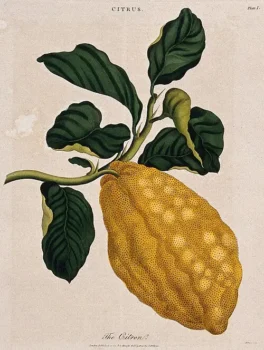
Citron is a perennial shrub that can grow into a small tree, typically reaching heights of 13 to 16 feet. Unlike its more common citrus cousins, citron produces massive, bumpy fruits that look more like yellow footballs than the smooth oranges we’re used to seeing. The plant itself is quite striking, with glossy dark green leaves, fragrant white flowers, and yes – it does have thorns, so handle with care!
A Non-Native with Ancient Roots
While citron has made itself at home in Florida and Puerto Rico, it’s actually a world traveler. Originally from India and Southeast Asia, this plant has been introduced to various warm climates where it now reproduces spontaneously in the wild. It’s one of those plants that arrived as a guest and decided to stay for dinner – and dessert!
Currently, citron can be found growing in Florida and Puerto Rico, where the warm climate suits its subtropical preferences perfectly.
- Species observed
- No observations
Should You Plant Citron in Your Garden?
Here’s the thing about citron – it’s definitely not for every gardener or every garden. If you live in USDA hardiness zones 9-11 and love the idea of growing something conversation-worthy, citron might be your new garden buddy. However, if you’re in zone 9, you’ll need to provide frost protection during chilly spells.
The Pros:
- Produces unique, large fruits perfect for candying or religious ceremonies
- Fragrant white flowers that attract bees and pollinators
- Makes an excellent specimen tree or conversation starter
- Historically significant – one of the original citrus species
The Considerations:
- Very cold-sensitive and requires warm climates
- Thorny branches need careful handling
- Large mature size requires adequate space
- Fruits are quite different from typical eating citrus
Where Citron Fits in Your Landscape
Citron works beautifully as a specimen tree in subtropical or Mediterranean-style gardens. It’s perfect for citrus collections or anywhere you want to add tropical flair. The plant can handle different moisture conditions too – it’s listed as facultative in coastal regions (meaning it’s fine in wet or dry spots) but prefers upland conditions in Caribbean climates.
Growing Citron Successfully
If you’ve decided to take the citron plunge, here’s how to keep your plant happy:
Location and Soil
Choose a spot with full sun and excellent drainage. Citron absolutely hates wet feet, so avoid low-lying areas where water might collect. The soil should be well-draining but can handle various pH levels.
Watering and Care
Water regularly during the growing season, but always ensure good drainage. These plants prefer consistent moisture without being waterlogged. During winter, reduce watering frequency.
Temperature Protection
In zone 9, you’ll need to protect your citron from frost. Consider container growing so you can move it indoors, or be prepared with frost cloth during cold snaps.
Feeding
Like most citrus, citron benefits from regular fertilization during the growing season. Use a balanced fertilizer designed for citrus trees.
Consider Native Alternatives
While citron can be a fascinating addition to the right garden, you might also consider native alternatives that provide similar benefits. Native flowering trees and shrubs in your area will offer excellent pollinator support while being naturally adapted to your local conditions. Check with your local native plant society for recommendations specific to your region.
The Bottom Line
Citron is definitely a specialty crop kind of plant – not for every gardener, but absolutely perfect for the right one. If you have the climate, the space, and the curiosity for something truly unique, citron might just be the ancient fruit tree your modern garden has been waiting for. Just remember: this is a plant with personality, and like any good character, it comes with both charm and quirks!