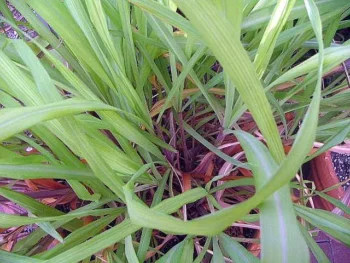
Citronella Grass: The Aromatic Wonder That Keeps Mosquitoes Guessing
If you’ve ever wondered where that lemony-fresh scent in mosquito repellent comes from, meet citronella grass (Cymbopogon nardus)! This aromatic perennial grass has been making gardens smell amazing and potentially keeping pesky insects at bay for centuries. But before you rush to plant this fragrant beauty, let’s dive into what makes this grass tick and whether it’s the right fit for your garden.
What Exactly Is Citronella Grass?
Citronella grass is a clumping perennial grass that belongs to the same family as corn and bamboo. Don’t let the name fool you – while it’s often called citronella grass, botanists know it as Cymbopogon nardus (you might also see it listed under its old name, Andropogon nardus). This grass-like beauty forms attractive clumps and releases that distinctive lemony scent when you brush against its narrow leaves.
Where Does It Call Home?
Here’s where things get interesting from a native gardening perspective. Citronella grass isn’t actually native to the United States. This aromatic grass originally hails from tropical Asia, particularly Sri Lanka and southern India. In the U.S., you’ll find it growing in warmer territories and states including Guam, Palau, Puerto Rico, and the Virgin Islands, where it has naturalized after being introduced.
- Species observed
- No observations
The Good, The Bad, and The Aromatic
So, should you plant citronella grass in your garden? The answer isn’t black and white. While this grass isn’t native to most U.S. regions, it’s also not currently listed as invasive or problematic. Here’s what you need to know:
Why Gardeners Love It:
- Incredible fragrance that’s released when leaves are crushed or brushed against
- Easy to grow and relatively low-maintenance once established
- Forms attractive, architectural clumps that add texture to gardens
- Thrives in containers, making it perfect for patios and small spaces
- May help deter some insects (though the jury’s still out on its effectiveness as a living repellent)
Things to Consider:
- It’s not native, so it won’t support local ecosystems like native grasses would
- Limited cold tolerance – only hardy in USDA zones 9-12
- Doesn’t provide significant benefits for pollinators since it’s wind-pollinated
Growing Citronella Grass Successfully
If you decide to give citronella grass a try, you’ll be happy to know it’s pretty forgiving! This tropical beauty prefers conditions that mimic its native habitat:
Ideal Growing Conditions:
- Light: Full sun to partial shade (at least 6 hours of direct sunlight daily)
- Soil: Well-draining soil is crucial – soggy roots spell trouble
- Water: Regular watering during establishment, then drought-tolerant
- Climate: Warm, humid conditions (USDA zones 9-12)
Planting and Care Tips:
- Plant in spring after the last frost has passed
- Space clumps about 3-4 feet apart – they’ll spread to fill the space
- Water regularly the first year, then reduce frequency as plants establish
- Divide clumps every 3-4 years to maintain vigor
- In colder climates, grow in containers and bring indoors for winter
Garden Design Ideas
Citronella grass works beautifully in several garden settings. Try it in herb gardens where its aromatic qualities shine, or use it as a textural element in tropical-themed landscapes. It’s also fantastic in large containers on patios where you can easily enjoy its fragrance during outdoor gatherings.
Consider Native Alternatives
While citronella grass can be a lovely addition to appropriate gardens, consider exploring native grasses that provide similar aesthetic appeal while supporting local wildlife. Depending on your region, native bunch grasses like little bluestem, buffalo grass, or various sedges might give you that same architectural look while feeding native birds and supporting local ecosystems.
The Bottom Line
Citronella grass can be a delightful addition to warm-climate gardens, especially for gardeners who love fragrant plants and don’t mind tending to non-native species. Just remember that while it won’t harm your local ecosystem, it won’t actively help it either. If you’re passionate about supporting native wildlife, you might want to explore indigenous grass alternatives that offer similar beauty with added ecological benefits.
Whatever you choose, happy gardening – and may your outdoor spaces smell absolutely divine!