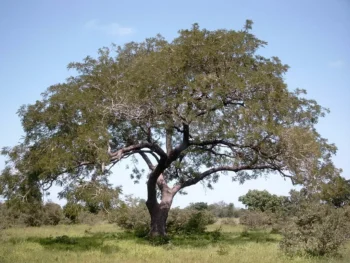
Clapperton’s Parkia: A Majestic African Tree for Tropical Gardens
Meet Clapperton’s parkia (Parkia clappertoniana), a stunning tree that brings a taste of the African savanna to tropical gardens. While this magnificent specimen might not be the right fit for every backyard, it’s worth understanding what makes this tree special and whether it could work in your landscape.
What Makes Clapperton’s Parkia Special?
Also known by its synonym Parkia africana, this impressive tree is a real showstopper when it has the space to shine. Picture a massive umbrella-shaped canopy that can provide shade for an entire picnic area, topped with unique bottle-brush flowers that look like something from a Dr. Seuss book. The flowers dangle from long stalks and are particularly beloved by bats, which serve as the tree’s primary pollinators during nighttime hours.
Where Does It Come From?
Clapperton’s parkia calls the savannas and woodlands of West and Central Africa home. In its native range, it’s a valuable tree that provides food, medicine, and timber to local communities. The tree has adapted to the warm, tropical climate with distinct wet and dry seasons.
Should You Plant Clapperton’s Parkia?
Here’s where we need to have an honest conversation. This tree is absolutely gorgeous, but it comes with some serious space requirements and climate limitations that make it unsuitable for most North American gardens.
The Reality Check
Clapperton’s parkia is a big tree – we’re talking about a specimen that can dominate an entire landscape. It’s only hardy in USDA zones 10-12, which limits it to the most tropical parts of Florida, Hawaii, and southern California. Even in these areas, you’ll need:
- Plenty of space – this isn’t a tree for small yards
- Patience – it takes years to reach its full glory
- The right climate – consistent warmth and humidity
- Well-draining soil in full sun
Best Candidates for This Tree
Clapperton’s parkia works best in:
- Large estates with expansive grounds
- Botanical gardens and arboretums
- Public parks in tropical zones
- Commercial tropical landscaping projects
Growing Clapperton’s Parkia Successfully
If you’re in the right climate zone and have adequate space, here’s what you need to know about growing this African beauty:
Planting Requirements
- Climate: USDA zones 10-12 only
- Sunlight: Full sun exposure
- Soil: Well-draining soil; adaptable to various soil types
- Space: Allow for significant mature spread
Care and Maintenance
Once established, Clapperton’s parkia is relatively low-maintenance in the right environment. Water regularly during establishment, then reduce frequency as the tree matures. The tree is generally drought-tolerant once its root system is well-developed.
Wildlife and Pollinator Benefits
One of the most fascinating aspects of Clapperton’s parkia is its relationship with wildlife. The unusual flowers are perfectly designed for bat pollination, making this tree a magnet for these beneficial night-flying mammals. Various insects also visit the flowers, adding to the tree’s ecological value in tropical landscapes.
Consider Native Alternatives
For most gardeners in temperate zones, native shade trees will be more practical choices. Consider looking into native oaks, maples, or other indigenous species that provide similar aesthetic appeal and wildlife benefits while being perfectly adapted to your local climate and ecosystem.
The Bottom Line
Clapperton’s parkia is undeniably beautiful and ecologically valuable, but it’s a specialist plant for specialist situations. If you have the tropical climate, the space, and the patience, it can be a magnificent addition to a large landscape. For most gardeners, however, exploring native alternatives will lead to more successful and environmentally beneficial results.
Remember, the best garden plant is one that thrives in your specific conditions while supporting local wildlife – and sometimes that means admiring exotic beauties like Clapperton’s parkia from afar while choosing native treasures for your own backyard.