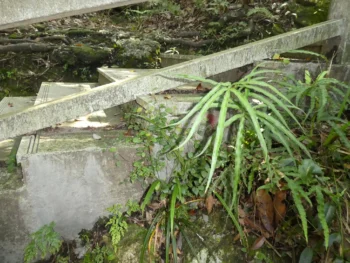
Climbing Fig: The Vigorous Vine That’s Both Friend and Foe
If you’ve ever wondered about that lush, green vine creeping up walls and fences in warmer climates, you’ve likely encountered the climbing fig (Ficus pumila). This perennial powerhouse has quite the personality – it’s beautiful, hardy, and incredibly determined to cover whatever surface it can get its little roots on.
What Exactly Is Climbing Fig?
Climbing fig, scientifically known as Ficus pumila, is a vigorous perennial vine that belongs to the fig family. You might also see it listed under its old name, Ficus repens. Despite being called a climbing fig, this plant is actually classified as a forb herb – meaning it’s a vascular plant without significant woody tissue, even though it certainly doesn’t act like your typical delicate herb!
Where Does It Come From and Where Does It Grow?
This enthusiastic climber isn’t native to North America – it originally hails from East Asia, including China, Japan, and Vietnam. However, it has made itself quite at home in warmer parts of the United States. You’ll find established populations in Alabama, Florida, Georgia, Hawaii, Louisiana, Texas, and Puerto Rico, where it reproduces on its own and persists without human help.
- Species observed
- No observations
What Makes It Appealing (And What Doesn’t)
Climbing fig has some undeniable charms that make it popular among gardeners:
- Dense, lush green coverage that can transform bland walls into living art
- Small, heart-shaped leaves that create an attractive texture
- Incredible hardiness and drought tolerance once established
- Fast growth that quickly fills in bare spots
However, this vigor can be both blessing and curse. Climbing fig is notorious for its aggressive growth habits and can quickly overwhelm structures, damage building surfaces, and crowd out other plants if not properly managed.
Garden Role and Landscape Uses
In the right setting, climbing fig can serve several landscape functions:
- Living wall coverage for unsightly surfaces
- Ground cover in difficult areas where other plants struggle
- Privacy screening when grown on fences or trellises
- Erosion control on slopes
It’s particularly well-suited for tropical and subtropical gardens, Mediterranean-style landscapes, and contemporary designs where bold, architectural plant forms are desired.
Growing Conditions and Care
One of climbing fig’s selling points is its adaptability. This plant thrives in USDA hardiness zones 8-11 and tolerates a wide range of conditions:
- Light: Partial shade to full sun
- Soil: Adaptable to various soil types, from sandy to clay
- Water: Drought tolerant once established, but appreciates regular watering during establishment
- Maintenance: Minimal care required, but regular pruning is essential to control spread
Planting and Care Tips
If you decide to grow climbing fig, here’s how to do it successfully:
- Plant in spring or fall for best establishment
- Provide initial support structures if you want it to climb
- Water regularly the first year, then reduce as the plant establishes
- Prune regularly and aggressively to prevent it from taking over
- Be prepared to remove it from surfaces where it’s not wanted – those tiny roots can be persistent!
Wildlife and Pollinator Considerations
While climbing fig provides some habitat value through its dense foliage, it offers limited benefits to pollinators. The flowers are inconspicuous and enclosed within fig structures, making them largely inaccessible to most beneficial insects. If supporting local wildlife is a priority, you might want to consider native alternatives.
Should You Plant It?
Climbing fig can be an effective solution for specific landscape challenges, particularly if you need quick coverage in a difficult growing area. However, its aggressive nature means it requires committed management. Before planting, consider whether you’re prepared for the ongoing maintenance it requires.
If you’re looking for alternatives that provide similar coverage but support local ecosystems, consider researching native vines in your area. Many regions have beautiful native climbing plants that offer the same aesthetic benefits while providing better support for local wildlife and pollinators.
The bottom line? Climbing fig is a plant that demands respect. It can be a valuable landscape tool in the right hands, but it’s definitely not a plant it and forget it option. Choose wisely, and if you do plant it, stay vigilant with your pruning shears!