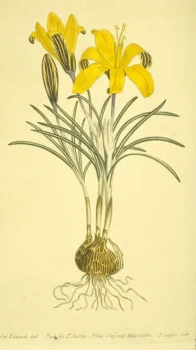
Cloth of Gold Crocus: A Cheerful Early Spring Bloomer
When winter’s grip is finally loosening and you’re desperately craving the first hint of spring color, the cloth of gold crocus (Crocus angustifolius) might just be the golden ticket you’re looking for. This petite powerhouse pushes through the last remnants of snow to deliver brilliant yellow blooms that practically glow in the early spring garden.
What is Cloth of Gold Crocus?
Cloth of gold crocus is a perennial forb that grows from small bulbs, creating low carpets of cheerful golden-yellow flowers. Also known by its synonyms Crocus susianus and Crocus vernus in some older references, this Mediterranean native has found its way into American gardens where it naturalizes readily.
As a non-native species, cloth of gold crocus has established itself in parts of the northeastern United States, particularly in Connecticut, Massachusetts, and New York, where it reproduces on its own and persists in the wild.
- Species observed
- No observations
Why Gardeners Love (and Sometimes Question) This Little Bulb
There’s a lot to appreciate about cloth of gold crocus, but like any garden plant, it comes with both perks and considerations:
The Bright Side
- Blooms incredibly early when little else is flowering
- Provides crucial early-season nectar for emerging bees and pollinators
- Naturalizes easily, creating drifts of color with minimal effort
- Deer and rodent resistant
- Low maintenance once established
- Hardy across USDA zones 3-8
Things to Consider
- As a non-native species, it doesn’t support native wildlife as effectively as indigenous plants
- Can spread aggressively in ideal conditions
- Foliage must remain until it dies back naturally, which some find unsightly
Perfect Spots for Cloth of Gold
This adaptable little bulb thrives in several garden situations. It’s particularly stunning when naturalized in lawns, where it can bloom before grass needs its first mowing. Rock gardens provide the excellent drainage these bulbs crave, while woodland edges under deciduous trees offer the perfect cycle of spring sun and summer shade.
The compact size and early bloom time make cloth of gold ideal for containers, forcing indoors, or tucking into small spaces where you want maximum impact from minimal real estate.
Growing Cloth of Gold Successfully
Good news for busy gardeners: cloth of gold crocus is refreshingly low-maintenance once you understand its simple needs.
Planting Basics
- Plant bulbs in fall, 6-8 weeks before hard frost
- Set bulbs 3-4 inches deep and 2-3 inches apart
- Choose locations with well-draining soil
- Full sun to partial shade works well
Care and Maintenance
- Water during active growth in spring
- Allow soil to dry during summer dormancy
- Leave foliage intact until it yellows naturally
- Apply light compost annually if desired
- Divide overcrowded clumps every 4-5 years
A Word About Native Alternatives
While cloth of gold crocus certainly has its charm, gardeners interested in supporting local ecosystems might consider native early bloomers instead. Bloodroot, trout lily, and native violets provide similar early season interest while offering superior wildlife benefits. These native options create deeper ecological connections and support the insects, birds, and other wildlife that have evolved alongside them.
The Bottom Line
Cloth of gold crocus offers reliable early spring color with minimal fuss, making it an understandable choice for gardeners seeking quick satisfaction and cheerful blooms. While it may not be the most ecologically beneficial option, it’s not considered problematic either. If you do choose to plant it, you’ll be rewarded with dependable golden displays that mark winter’s end year after year.
Just remember to let those leaves do their job of feeding the bulbs before you tidy them away – it’s a small price to pay for such early season sunshine!