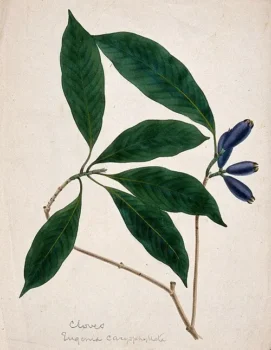
Growing Clove Trees: The Aromatic Spice in Your Garden
Ever wondered if you could grow your own spices? Meet the clove tree, scientifically known as Syzygium aromaticum – a tropical beauty that’s been spicing up kitchens (and gardens) for centuries. While this fragrant tree might seem like an exotic dream, it’s actually quite achievable for gardeners in the right climate zones.
What Exactly is a Clove Tree?
The clove tree is an evergreen that produces those familiar nail-shaped spices we use in holiday baking and savory dishes. Beyond its culinary fame, this tree is also known by its botanical synonyms Caryophyllus aromaticus, Eugenia caryophyllata, and Eugenia caryophyllus – names you might encounter in older gardening references.
Originally hailing from the Moluccas (Spice Islands) of Indonesia, this tree has made itself at home in various tropical regions. In the United States, you’ll find it naturalized in Guam and Palau, where it reproduces spontaneously and persists in the wild.
- Species observed
- No observations
Why Consider Growing a Clove Tree?
There are several compelling reasons why gardeners in suitable climates might want to add this aromatic tree to their landscape:
- Culinary rewards: Fresh cloves from your own tree have an intensity that store-bought spices simply can’t match
- Aesthetic appeal: Glossy, aromatic evergreen leaves provide year-round beauty
- Pollinator magnet: Small white to pink flowers attract bees and other beneficial insects
- Unique conversation starter: How many of your neighbors can say they grow their own spices?
The Reality Check: Climate Requirements
Before you get too excited, let’s talk zones. Clove trees are strictly tropical performers, thriving only in USDA hardiness zones 10-12. If you’re outside these zones, don’t despair – container growing is an option, though you’ll need to bring your tree indoors during cooler months.
These trees demand:
- Consistent warmth (no tolerance for frost)
- High humidity
- Protection from strong winds
- Well-draining, fertile soil
Growing Your Clove Tree Successfully
If you’re in the right climate zone, here’s how to give your clove tree the best start:
Location: Choose a spot with full sun to partial shade. In extremely hot climates, some afternoon shade can be beneficial.
Soil: Well-draining soil is crucial – these trees hate waterlogged roots. Aim for slightly acidic to neutral pH.
Watering: Keep soil consistently moist but not soggy. Regular watering is essential, especially during dry spells.
Space planning: Clove trees can reach 25-40 feet tall and 15-25 feet wide, so give them room to grow.
Patience is a Virtue
Here’s where your patience will be tested: clove trees are notoriously slow growers and can take 6-8 years before producing those coveted flower buds. But trust us, the wait is worth it for that first harvest of ultra-fresh cloves.
Consider Native Alternatives
While clove trees aren’t considered invasive, supporting native ecosystems is always a good practice. If you’re looking for aromatic native alternatives in tropical regions, consider:
- Native bay trees (Laurus species where native)
- Indigenous aromatic shrubs specific to your region
- Local spice plants that support native wildlife
The Bottom Line
Growing a clove tree is definitely a long-term garden investment that requires the right tropical conditions. If you have the climate, space, and patience, it can be a rewarding addition that literally spices up your landscape. Just remember to source your tree from reputable nurseries and consider how it fits into your local ecosystem.
Whether you’re dreaming of homegrown holiday spices or simply want to add an unusual aromatic tree to your tropical garden, the clove tree offers a unique opportunity to grow something truly special – even if it takes a few years to get there!