Coccinia: The Tropical Climbing Vine That’s Not Quite Native
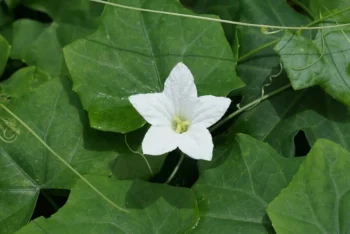
If you’ve ever stumbled across a vigorous climbing vine with heart-shaped leaves and curious little red fruits in your garden travels, you might have encountered coccinia. This perennial forb has made itself quite at home in several U.S. regions, though it’s definitely not from around here originally.
What Exactly Is Coccinia?
Coccinia is a non-native perennial vine that belongs to the cucumber family. As a forb herb, it’s a vascular plant without significant woody tissue – think of it as an herbaceous climber rather than a woody vine. It’s the kind of plant that lacks the thick, woody stems you’d find on grape vines, but still manages to climb enthusiastically wherever it lands.
Where You’ll Find This Wandering Vine
Originally from Africa and Asia, coccinia has established itself as a naturalized resident in Florida, Hawaii, Texas, and the U.S. Virgin Islands. It reproduces spontaneously in the wild and tends to stick around once it arrives – a true testament to its adaptability, though not necessarily what we want in our native ecosystems.
- Species observed
- No observations
Should You Grow Coccinia in Your Garden?
Here’s where things get interesting. While coccinia isn’t native to North America, it’s not currently flagged as invasive or noxious in our available data. That said, its ability to reproduce spontaneously and persist in the wild suggests it’s quite the determined little plant.
The Case for Growing Coccinia:
- Attractive heart-shaped foliage adds tropical flair
- Small white flowers provide nectar for various pollinators
- Colorful red fruits add visual interest
- Thrives in warm, tropical and subtropical conditions
- Works well as a climbing ornamental with proper support
Things to Consider:
- It’s a non-native species that can spread aggressively
- May outcompete native plants in your area
- Requires management to prevent unwanted spread
Growing Conditions and Care
If you decide to grow coccinia, it’s relatively straightforward – perhaps too straightforward, if you catch our drift. This vine thrives in USDA hardiness zones 9-11, where frost won’t knock it back.
Ideal Growing Conditions:
- Full sun to partial shade
- Well-draining soil
- Warm temperatures year-round
- Regular watering, especially during dry periods
- Strong support structure for climbing
Planting and Care Tips:
- Install a sturdy trellis or support system before planting
- Container growing can help control spread
- Regular pruning helps manage vigorous growth
- Monitor for self-seeding and remove unwanted seedlings promptly
- Consider barrier plantings to prevent spread to natural areas
A Better Alternative? Consider Native Climbers
While coccinia might seem appealing, why not explore native climbing vines that provide similar benefits without the ecological concerns? Depending on your region, consider native options like:
- Native passion vines (Passiflora species)
- Carolina jessamine (Gelsemium sempervirens) for southeastern gardens
- Native morning glories (Ipomoea species)
- Wild grape (Vitis species) for wildlife habitat
The Bottom Line
Coccinia is an adaptable, attractive vine that can add tropical character to warm-climate gardens. However, its non-native status and tendency to naturalize mean it requires responsible gardening practices. If you choose to grow it, keep it contained and well-managed. Better yet, consider giving native climbing plants a chance to shine in your landscape – they’ll provide similar beauty while supporting local ecosystems and wildlife.
Remember, the best garden is one that’s both beautiful and environmentally conscious. Whether you choose coccinia or a native alternative, happy gardening!