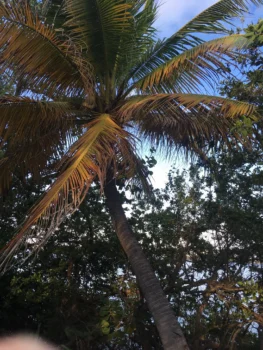
Coconut Palm: The Ultimate Tropical Statement Tree
Few plants say tropical paradise quite like the coconut palm (Cocos nucifera). With its towering trunk and graceful, feathery fronds swaying in the breeze, this iconic tree has become synonymous with beach vacations and island getaways. But is this showstopper right for your garden?
What Is a Coconut Palm?
The coconut palm is a perennial tree that can reach impressive heights of up to 60 feet at maturity. As a single-stemmed giant, it develops its characteristic smooth, slightly curved trunk topped with a crown of large, pinnate leaves. What makes this tree truly special is its year-round growing season and its ability to produce those famous brown coconuts that are both conspicuous and abundant.
Where Does It Grow?
Here’s something that might surprise you: coconut palms aren’t actually native to the United States. They’re non-native species that have established themselves and reproduce naturally in several U.S. locations, including Florida, Georgia, Hawaii, North Carolina, South Carolina, and various U.S. territories like Puerto Rico, Guam, and the Virgin Islands. The good news? They’re not considered invasive or noxious, so you won’t be contributing to any ecological problems by planting one.
- Species observed
- No observations
Is a Coconut Palm Right for Your Garden?
Before you start dreaming of harvesting your own coconuts, let’s talk practicalities. Coconut palms are seriously tropical trees that demand specific conditions:
- Climate requirements: You’ll need to live in USDA hardiness zones 10-12, with a minimum of 365 frost-free days per year
- Temperature needs: These trees can’t handle temperatures below 18°F
- Space considerations: With a mature height of 60 feet, you’ll need plenty of vertical clearance
- Growth rate: Moderate growth means patience is required – this isn’t an instant gratification plant
Perfect Landscape Roles
When grown in the right conditions, coconut palms serve as spectacular specimen trees. Their erect, single-stem form makes them ideal for:
- Creating dramatic focal points in tropical and subtropical gardens
- Providing architectural interest with their distinctive silhouette
- Adding authentic tropical flair to resort-style landscapes
- Serving as natural umbrellas in coastal settings
Growing Conditions That Make Them Happy
Coconut palms are surprisingly adaptable to different soil types, thriving in coarse, medium, and fine-textured soils. Here’s what they love:
- Sun exposure: Full sun only – they’re completely shade intolerant
- Water needs: Low to moderate moisture requirements once established
- Soil pH: Quite flexible, tolerating pH levels from 4.0 to 8.0
- Salt tolerance: Excellent – perfect for coastal gardens
- Drainage: Well-draining soil is essential
One fascinating aspect of coconut palms is their wetland tolerance, which varies by region. In coastal areas, they typically prefer upland conditions but can occasionally tolerate some wetland situations.
Planting and Care Tips
Ready to take the tropical plunge? Here’s how to give your coconut palm the best start:
- Propagation: Grow from seed (the coconut itself) or purchase container-grown plants
- Spacing: Plant 150-300 trees per acre if you’re going commercial, or give single specimens plenty of room
- Fertilizer: Low fertility requirements – don’t overdo it
- Root depth: These trees develop deep root systems (minimum 60 inches), so ensure good soil depth
- Patience: Seeds germinate slowly, and the tree has a moderate lifespan
Wildlife and Pollinator Benefits
While coconut palms aren’t native pollinator powerhouses, their small white flowers do attract some insects. The tree blooms year-round with an indeterminate flowering period, providing a consistent, if modest, nectar source.
Consider Native Alternatives
Since coconut palms aren’t native to the continental U.S., you might want to consider native palm species that provide similar tropical aesthetics while supporting local ecosystems. Depending on your location, native options might include cabbage palms in Florida or other regional palm species.
The Bottom Line
Coconut palms are undeniably gorgeous and can create an instant tropical vacation vibe in your backyard. However, they’re only suitable for gardeners in the warmest zones who can provide the specific conditions these trees need. If you live in zones 10-12 and want that classic tropical look, a coconut palm could be a stunning addition to your landscape. Just remember: this is a long-term commitment to a tree that will eventually tower over your garden!
Whether you choose to plant this tropical icon or opt for a native alternative, the key is selecting plants that will thrive in your specific climate and growing conditions. Happy gardening!