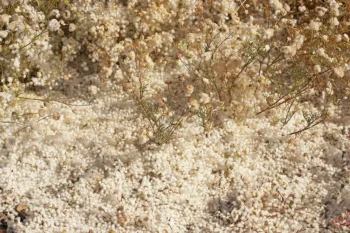
Cocoonhead (Lasiospermum): A Lesser-Known Garden Visitor
If you’ve stumbled across the name cocoonhead in your gardening research, you might be wondering what this unusual plant is all about. Cocoonhead, scientifically known as Lasiospermum, is one of those plants that flies under the radar in most gardening circles – and for good reason.
What Is Cocoonhead?
Cocoonhead is a perennial forb, which is just a fancy way of saying it’s an herbaceous plant that comes back year after year without developing woody stems like shrubs or trees. As a member of the sunflower family (Asteraceae), it shares DNA with daisies, asters, and countless other flowering plants, though it’s far less showy than its famous relatives.
Where Does It Come From?
Here’s where things get interesting – and a bit concerning for native plant enthusiasts. Cocoonhead isn’t actually native to North America. It’s an introduced species that has managed to establish itself and reproduce on its own in California. While it may seem harmless enough, any non-native plant that can spread without human help deserves careful consideration.
- Species observed
- No observations
Should You Plant Cocoonhead?
Here’s the thing about cocoonhead – there’s surprisingly little information available about its garden performance, care requirements, or ecological impact. This lack of documentation is actually telling. When a plant doesn’t have much written about it in gardening circles, it usually means it’s not particularly noteworthy as an ornamental choice.
Since cocoonhead is non-native and we don’t have clear information about whether it might become problematic, it’s worth asking: why take the risk when California has so many spectacular native alternatives?
Better Native Alternatives for California Gardens
Instead of gambling on an obscure non-native plant, consider these fantastic California natives that will definitely deliver:
- California aster (Symphyotrichum chilense) – Beautiful purple fall blooms that pollinators adore
- Coyote brush (Baccharis pilularis) – Excellent groundcover with fluffy white seed heads
- Goldfields (Lasthenia californica) – Carpets of cheerful yellow flowers in spring
- Purple needlegrass (Stipa pulchra) – California’s state grass, elegant and drought-tolerant
The Bottom Line on Cocoonhead
While cocoonhead might sound intriguing with its quirky common name, it’s essentially a mystery plant with no proven garden value and questionable ecological impact. California gardeners have access to an incredible diversity of native plants that are not only beautiful and well-adapted to local conditions, but also support native wildlife and preserve the state’s natural heritage.
When in doubt, go native! Your local wildlife, water bill, and future self will thank you for choosing plants that truly belong in your California landscape. Save the garden experiments for well-documented natives that are just waiting to show you what they can do.