Cogongrass: The Beautiful Deceiver You Should Never Plant
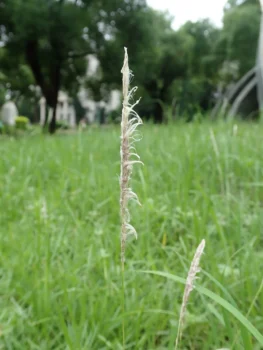
If you’ve ever seen cogongrass (Imperata cylindrica) waving gracefully in the breeze with its silky, feathery seed heads catching the sunlight, you might be tempted to think it’s quite lovely. And you’d be right – it is beautiful. But here’s the thing: this grass is one of the most aggressive invasive species in the United States, and it’s absolutely not something you want anywhere near your garden.
What is Cogongrass?
Cogongrass is a perennial grass that belongs to the graminoid family (grass-like plants). This non-native species has been introduced to the United States and now reproduces spontaneously in the wild, persisting without any human help. It’s also known by its botanical synonyms Imperata arundinacea and Lagurus cylindricus, but no matter what you call it, the message remains the same: stay away!
Where You’ll Find This Troublemaker
Currently, cogongrass has established itself across several states, primarily in the Southeast and Gulf Coast regions. You’ll find it growing in Alabama, Florida, Georgia, Louisiana, Mississippi, Oregon, South Carolina, Texas, Virginia, and even in U.S. territories like Guam and Palau.
- Species observed
- No observations
Why Cogongrass is Garden Enemy #1
Let’s be crystal clear: cogongrass is not just invasive – it’s been classified as a Category 1 invasive species in Alabama, is prohibited in some states, and is listed as a noxious weed at the federal level. Here’s why this grass is such bad news:
- It forms dense, impenetrable stands that crowd out native plants
- It increases fire risk due to its high flammability
- It provides little to no benefit for native wildlife or pollinators
- Once established, it’s extremely difficult and expensive to remove
- It can quickly take over entire landscapes
Growing Conditions (For Identification Purposes Only!)
Understanding where cogongrass thrives can help you identify and report it. This adaptable grass is primarily an upland species, rarely occurring in wetlands. It’s hardy in USDA zones 7-11 and can tolerate a wide range of soil conditions and light levels, from full sun to partial shade. Its adaptability is part of what makes it so problematic.
What to Do If You Spot Cogongrass
If you think you’ve identified cogongrass in your area, don’t attempt to remove it yourself – you could accidentally spread it further. Instead:
- Contact your local extension office or state department of agriculture
- Report the location to invasive species tracking programs
- Take photos for identification verification
- Stay away from the area to avoid spreading seeds or root fragments
Better Native Alternatives
Instead of risking the introduction of cogongrass, consider these beautiful native grass alternatives that provide real benefits to wildlife and pollinators:
- Little bluestem (Schizachyrium scoparium)
- Purple top grass (Tridens flavus)
- Eastern gamagrass (Tripsacum dactyloides)
- Switchgrass (Panicum virgatum)
- Indian grass (Sorghastrum nutans)
The Bottom Line
While cogongrass might look appealing with its graceful form and silky seed heads, it’s a wolf in sheep’s clothing. This invasive species threatens native ecosystems, increases fire hazards, and once established, can cost thousands of dollars to control. Do yourself, your neighbors, and the environment a favor – choose native grasses instead. Your local wildlife will thank you, and you’ll sleep better knowing you’re part of the solution, not the problem.
Remember: when it comes to cogongrass, the best garden is one that doesn’t have it!