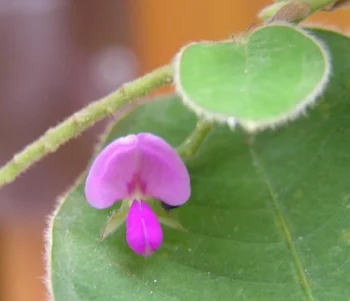
Coin-Leaf Desmodium: A Tropical Ground Cover for Pacific Gardens
If you’re gardening in the Pacific Basin and looking for a hardy ground cover that doesn’t mind a bit of neglect, coin-leaf desmodium might just catch your eye. This unassuming little plant has been quietly making itself at home in tropical gardens, though it’s not originally from the neighborhood.
What is Coin-Leaf Desmodium?
Coin-leaf desmodium (Desmodium styracifolium) is a member of the legume family that’s found its way from its native tropical Asian home to various Pacific islands. You might also see it listed under its synonym, Desmodium capitatum, in older gardening references. This non-native plant has established itself as a naturalized resident in places like Guam and Palau, where it reproduces on its own without any help from gardeners.
Where Does It Grow?
Currently, you’ll find coin-leaf desmodium growing wild in Guam and Palau, where it has adapted well to the local climate and conditions. It’s become part of the naturalized flora in these Pacific Basin locations.
- Species observed
- No observations
What Does It Look Like?
Don’t expect this plant to steal the show with flashy blooms, but coin-leaf desmodium has its own quiet charm. It produces small compound leaves and delicate pink to purple flower spikes that add subtle color to the landscape. The real interest comes later when it develops its characteristic seed pods that give many Desmodium species their tick trefoil nickname.
Growing Conditions and Care
One of coin-leaf desmodium’s selling points is that it’s refreshingly low-maintenance. Here’s what it prefers:
- Sunlight: Full sun to partial shade
- Soil: Well-draining soil (it’s not particularly picky about soil type)
- Water: Moderate water needs; drought tolerant once established
- Climate: Thrives in USDA hardiness zones 9-11
Planting and Care Tips
Getting coin-leaf desmodium established is pretty straightforward. Plant it in a spot with good drainage, give it regular water for the first few weeks, and then step back and let it do its thing. Once established, it can handle dry spells quite well. Be aware that this plant can self-seed, so you might find new plants popping up in unexpected places – which could be a feature or a bug, depending on your gardening style.
Garden Uses and Design Role
Coin-leaf desmodium works well as:
- Ground cover in naturalized areas
- Erosion control on slopes
- Low-maintenance filler in tropical and subtropical gardens
- Part of a wildlife-friendly garden (the flowers attract bees, butterflies, and other small pollinators)
Should You Plant It?
Here’s the thing about coin-leaf desmodium – it’s a perfectly serviceable plant that won’t cause major problems, but it’s not native to the Pacific Basin. If you’re looking for something similar, consider exploring native alternatives that will better support local ecosystems and wildlife. Native plants are typically better adapted to local conditions and provide more benefits to native insects, birds, and other wildlife.
That said, if you already have coin-leaf desmodium in your garden or you’re specifically looking for this species, it’s not going to cause ecological havoc. Just keep an eye on its self-seeding tendencies and be prepared to do a bit of editing if it gets too enthusiastic about spreading.
The Bottom Line
Coin-leaf desmodium is one of those plants that falls into the perfectly fine category – not spectacular, not problematic, just a reliable little ground cover that does its job without much fuss. If you’re gardening in the tropical Pacific and want something that can handle neglect while providing modest beauty and pollinator benefits, it might fit the bill. Just remember to give native alternatives a look first – they’re often more rewarding in the long run.