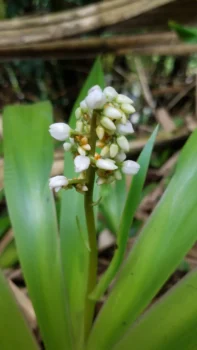
Cola de Paloma: A Lesser-Known Wetland Plant
If you’ve stumbled across the name cola de paloma in your plant research, you’ve discovered one of the more mysterious members of the wetland plant world. This intriguing species, scientifically known as Xiphidium caeruleum, is a plant that raises more questions than it answers for most gardeners.
What Exactly is Cola de Paloma?
Cola de paloma is a perennial forb, which is a fancy way of saying it’s a non-woody plant that comes back year after year. Think of it as an herbaceous plant that lacks the thick, woody stems you’d find on shrubs or trees. Instead, it stays relatively soft and green, with its survival structures tucked safely at or below ground level.
This plant belongs to a genus that’s not commonly found in most gardening circles, and frankly, that’s probably for good reason. While it has an exotic appeal, there are some important considerations before you go hunting for seeds.
Where Does Cola de Paloma Come From?
Here’s where things get interesting – and a bit concerning for native plant enthusiasts. Cola de paloma is not native to Puerto Rico, where it currently grows, but has been introduced there and now reproduces on its own in the wild. This means it’s what botanists call a naturalized species – essentially a plant immigrant that’s decided to make itself at home.
The plant is currently found growing in Puerto Rico, where it has established itself without human intervention.
- Species observed
- No observations
The Wetland Connection
One thing we do know about cola de paloma is its relationship with water. It’s classified as a facultative wetland plant in the Caribbean region, meaning it’s quite happy in soggy conditions but can also tolerate drier spots. If you have a wet area in your garden that’s been challenging to plant, this might seem like an appealing option – but hold that thought.
Should You Grow Cola de Paloma?
This is where we need to have an honest conversation. While cola de paloma might sound exotic and interesting, there are several reasons why you might want to pause before adding it to your garden:
- It’s a non-native species that has already shown it can establish itself in wild areas
- Very little is known about its long-term ecological impacts
- Information about its growing requirements, care needs, and garden behavior is extremely limited
- Its potential effects on local wildlife and native plant communities are unclear
Better Native Alternatives
Instead of taking a chance on cola de paloma, consider exploring native wetland plants that are better understood and support local ecosystems. Native plants that thrive in similar wet conditions often provide:
- Proven support for local wildlife and pollinators
- Well-documented growing requirements
- Natural resistance to local pests and diseases
- No risk of becoming problematic in wild areas
Your local native plant society or extension office can help you identify beautiful native alternatives that will thrive in wet conditions while supporting your local ecosystem.
The Bottom Line
While cola de paloma might sound intriguing, it’s one of those plants that falls into the just because you can doesn’t mean you should category. With so many gorgeous native wetland plants available, why take a risk on something that’s already shown it can escape cultivation?
Sometimes the most responsible thing we can do as gardeners is to choose the plants we know will play nicely with their neighbors – both in our gardens and in the wider landscape. Your local ecosystem will thank you for it.