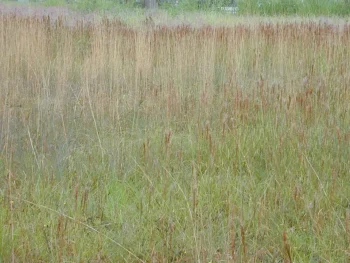
Colombian Bluestem: A Tropical Grass with Mixed Reviews
If you’ve stumbled across the name Colombian bluestem in your gardening research, you might be wondering whether this grass deserves a spot in your landscape. Also known as beardgrass bluestem, this perennial grass has found its way into tropical and subtropical gardens, but there’s more to the story than meets the eye.
What Exactly is Colombian Bluestem?
Colombian bluestem (Schizachyrium condensatum) is a perennial grass that originally hails from Central and South America. As its name suggests, this grass sports attractive bluish-green foliage that forms neat clumps, making it appealing to gardeners looking for ornamental grasses with a bit of personality.
You might also see this plant listed under its former scientific name, Andropogon condensatus, so don’t be confused if you encounter both names in your research.
Where Does It Grow?
Currently, Colombian bluestem has established itself in Hawaii, Guam, and other U.S. Minor Outlying Islands in the Pacific. It’s considered a non-native species in these locations, having been introduced and now reproducing on its own in the wild.
- Species observed
- No observations
The Garden Appeal
From a purely aesthetic standpoint, Colombian bluestem brings several attractive qualities to the table:
- Forms attractive clumping bunches that add texture to landscapes
- Features narrow, bluish-green leaves that catch light beautifully
- Produces delicate seed heads that provide movement and interest
- Works well in naturalized garden settings
Growing Conditions and Care
If you’re in USDA hardiness zones 9-11, Colombian bluestem can likely handle your climate. This grass appears to prefer:
- Full sun to partial shade conditions
- Well-drained soils
- Moderate to low water once established
- Minimal maintenance once settled in
Like many grasses, it’s relatively low-maintenance once established, though specific care requirements aren’t extensively documented.
The Native Plant Perspective
Here’s where things get interesting from a native gardening standpoint. Colombian bluestem is not native to U.S. territories where it’s currently growing, and while it’s not currently listed as invasive, its status in natural ecosystems isn’t fully understood.
As native plant enthusiasts, we always encourage considering indigenous alternatives first. If you’re drawn to ornamental grasses, explore native options in your region that provide similar aesthetic appeal while supporting local ecosystems and wildlife.
Wildlife and Ecosystem Benefits
Unfortunately, specific information about Colombian bluestem’s benefits to wildlife isn’t well-documented. Native grasses typically offer more comprehensive ecosystem services, including:
- Seeds and habitat for native birds
- Host plants for native insects
- Root systems that support soil health
- Integration with local pollinator networks
Should You Plant It?
The decision ultimately depends on your gardening goals and location. If you’re specifically focused on native gardening, Colombian bluestem probably isn’t your best choice. However, if you’re in a tropical or subtropical climate where it’s already established and you’re drawn to its ornamental qualities, it’s not necessarily off-limits.
Just remember: when possible, native plants are almost always the better choice for supporting local ecosystems, wildlife, and long-term garden sustainability. Consider researching native grasses in your area that might offer similar aesthetic appeal with greater ecological benefits.
The Bottom Line
Colombian bluestem is an ornamental grass with undeniable visual appeal, but it comes with the typical considerations surrounding non-native plants. While not currently flagged as problematic, its long-term impact on local ecosystems remains unclear. If you do choose to grow it, consider balancing your landscape with plenty of native alternatives to ensure you’re supporting your local environment too.