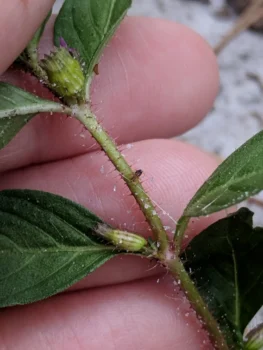
Colombian Waxweed: A Colorful Non-Native with Garden Appeal
Meet Colombian waxweed (Cuphea carthagenensis), a charming little flowering plant that’s made itself quite at home across the southeastern United States and Hawaii. While it’s not a native species, this adaptable forb has caught the attention of gardeners looking for reliable color and pollinator appeal.
What is Colombian Waxweed?
Colombian waxweed is a herbaceous flowering plant—what botanists call a forb—meaning it’s a non-woody plant that produces lovely flowers. Originally from Central and South America (as its common name suggests), this plant has naturalized across multiple U.S. states, reproducing on its own in the wild without human assistance.
You might also encounter this plant listed under its botanical synonym, Parsonsia balsamona, though Cuphea carthagenensis is the accepted scientific name. This species can behave as either an annual or perennial depending on your climate and growing conditions.
Where Does It Grow?
Colombian waxweed has established populations across the southeastern United States, including Alabama, Arkansas, Florida, Georgia, Louisiana, Mississippi, North Carolina, South Carolina, Tennessee, Texas, and Virginia. It’s also found in Hawaii, where it has adapted well to the tropical climate.
- Species observed
- No observations
Garden Appeal and Aesthetics
What makes Colombian waxweed attractive to gardeners? Its small, tubular flowers bloom in shades of purple to pink, creating a delicate carpet of color. The plant maintains a compact, low-growing form that works well as a ground cover or border plant. Its unassuming beauty fits naturally into informal garden settings.
Pollinator and Wildlife Benefits
One of the standout features of Colombian waxweed is its appeal to pollinators. The nectar-rich flowers attract:
- Hummingbirds, who love the tubular flower shape
- Butterflies seeking nectar sources
- Native bees and other beneficial insects
Growing Conditions and Care
Colombian waxweed is remarkably adaptable, which explains its success as a naturalized species. Here’s what it prefers:
- Sunlight: Full sun to partial shade
- Soil: Moist to moderately dry conditions
- Hardiness: USDA zones 8-11 (can be grown as an annual in cooler regions)
- Maintenance: Low maintenance once established
Wetland Tolerance
This plant shows impressive versatility when it comes to moisture levels. Colombian waxweed has a facultative wetland status across multiple regions, meaning it can thrive in both wetland and upland conditions. This adaptability makes it suitable for gardens with varying moisture levels.
Planting and Care Tips
Colombian waxweed is generally easy to grow and quite forgiving:
- Plant in well-draining soil with adequate organic matter
- Water regularly during establishment, then reduce as the plant matures
- Expect self-seeding behavior—the plant may spread naturally in your garden
- Minimal fertilization needed; too much can reduce flowering
- Deadheading spent flowers can encourage continued blooming
Should You Plant Colombian Waxweed?
While Colombian waxweed isn’t invasive or problematic, it’s worth considering that it’s not a native species. If you’re focused on supporting local ecosystems, you might want to explore native alternatives that provide similar benefits.
Consider these native options instead:
- Wild bergamot (Monarda fistulosa) for pollinator appeal
- Coral honeysuckle (Lonicera sempervirens) for hummingbird attraction
- Native asters for late-season color and butterfly support
However, if you already have Colombian waxweed in your garden or choose to plant it, you can feel comfortable knowing it provides genuine benefits to pollinators and doesn’t pose environmental threats. Just be aware that it may self-seed and spread naturally throughout your garden space.
The Bottom Line
Colombian waxweed offers reliable color, pollinator benefits, and easy care for gardeners in suitable climates. While native plants should be your first choice for supporting local ecosystems, this adaptable non-native can play a role in diverse garden settings. Whether you’re working with challenging growing conditions or simply appreciate its understated charm, Colombian waxweed might just find a place in your landscape—though always consider native alternatives first!