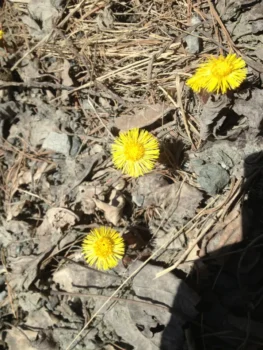
Coltsfoot: A Beautiful but Problematic Spring Bloomer You Should Avoid
When you’re yearning for the first signs of spring in your garden, coltsfoot (Tussilago farfara) might seem like a tempting choice. This perennial herb produces cheerful yellow flowers that pop up before most other plants have even thought about waking up from winter. But before you get swept away by its early charm, there’s something important you need to know about this European native.
What is Coltsfoot?
Coltsfoot is a herbaceous perennial forb that’s been making itself quite at home across North America, despite not belonging here originally. This non-native plant hails from Europe, Asia, and North Africa, where it has natural controls to keep it in check. Unfortunately, those same controls don’t exist in our ecosystems.
The plant gets its common name from its distinctive heart-shaped leaves, which some say resemble a colt’s foot. These large leaves have a woolly, whitish underside that makes them easy to identify once you know what to look for.
Why You Should Think Twice About Planting Coltsfoot
Here’s where things get serious: coltsfoot is classified as invasive in Connecticut (where it’s actually prohibited) and Wisconsin (also prohibited). Alabama has gone even further, listing it as a Class A noxious weed. These aren’t arbitrary classifications – they reflect real concerns about this plant’s impact on native ecosystems.
The problem with coltsfoot lies in its aggressive spreading nature. It reproduces through underground rhizomes (root-like stems) that can quickly colonize large areas, crowding out native plants that our local wildlife depends on. Once established, it’s notoriously difficult to remove.
Where Coltsfoot Has Spread
This invasive species has already established populations across a wide swath of North America, including British Columbia, New Brunswick, Nova Scotia, Ontario, Prince Edward Island, Quebec, Newfoundland, and numerous U.S. states from Maine to North Carolina and as far west as Washington. This extensive distribution shows just how successful – and problematic – this plant has become.
- Species observed
- No observations
Growing Characteristics (For Identification, Not Cultivation)
Understanding how coltsfoot grows can help you identify and remove it from your property:
- Hardiness: Thrives in USDA zones 3-8
- Habitat: Classified as Facultative Upland across all regions, meaning it usually grows in non-wetland areas but can tolerate some moisture
- Flowers: Bright yellow, dandelion-like blooms appear in early spring before the leaves
- Leaves: Large, heart-shaped with woolly white undersides
- Spreading: Aggressive underground rhizome system
The Pollinator Dilemma
One reason gardeners might be attracted to coltsfoot is its value as an early nectar source for pollinators. The flowers do indeed provide food for bees and other beneficial insects when little else is blooming. However, this benefit doesn’t outweigh the ecological damage caused by its invasive nature.
Better Native Alternatives
Instead of risking ecological harm with coltsfoot, consider these native early-blooming alternatives that provide similar benefits without the invasive baggage:
- Wild ginger (Asarum canadense): Heart-shaped leaves and early spring interest
- Bloodroot (Sanguinaria canadensis): Beautiful white flowers in early spring
- Skunk cabbage (Symplocarpus foetidus): Very early bloomer for wet areas
- Native violets: Early nectar sources that won’t take over your landscape
If You Already Have Coltsfoot
Found coltsfoot on your property? Don’t panic, but do take action. Remove plants immediately, including as much of the root system as possible. Be persistent – you may need to repeat removal efforts over several seasons. Never compost coltsfoot material, as this can spread the problem.
The Bottom Line
While coltsfoot might seem like an attractive option for early spring color, its invasive nature makes it a poor choice for responsible gardeners. The short-term beauty isn’t worth the long-term ecological damage. Instead, choose native alternatives that provide similar benefits while supporting your local ecosystem. Your garden – and your local environment – will thank you for making the responsible choice.